
 Paul Scott
The movement of people across borders has long been a source of heated debate and vigorous policymaking. In many countries, the conversation centers on whether imposing strict limits on immigration would protect or undermine national economies. Proponents argue that tighter immigration control is necessary to protect jobs, wages, and social resources for native-born citizens. On the other hand, opponents maintain that immigration stimulates economic growth, fuels innovation, and addresses labor shortages. Below is a balanced exploration of the core arguments on both sides of this contentious issue.
The Case for Strict Limits
- Protection of Domestic Labor Markets
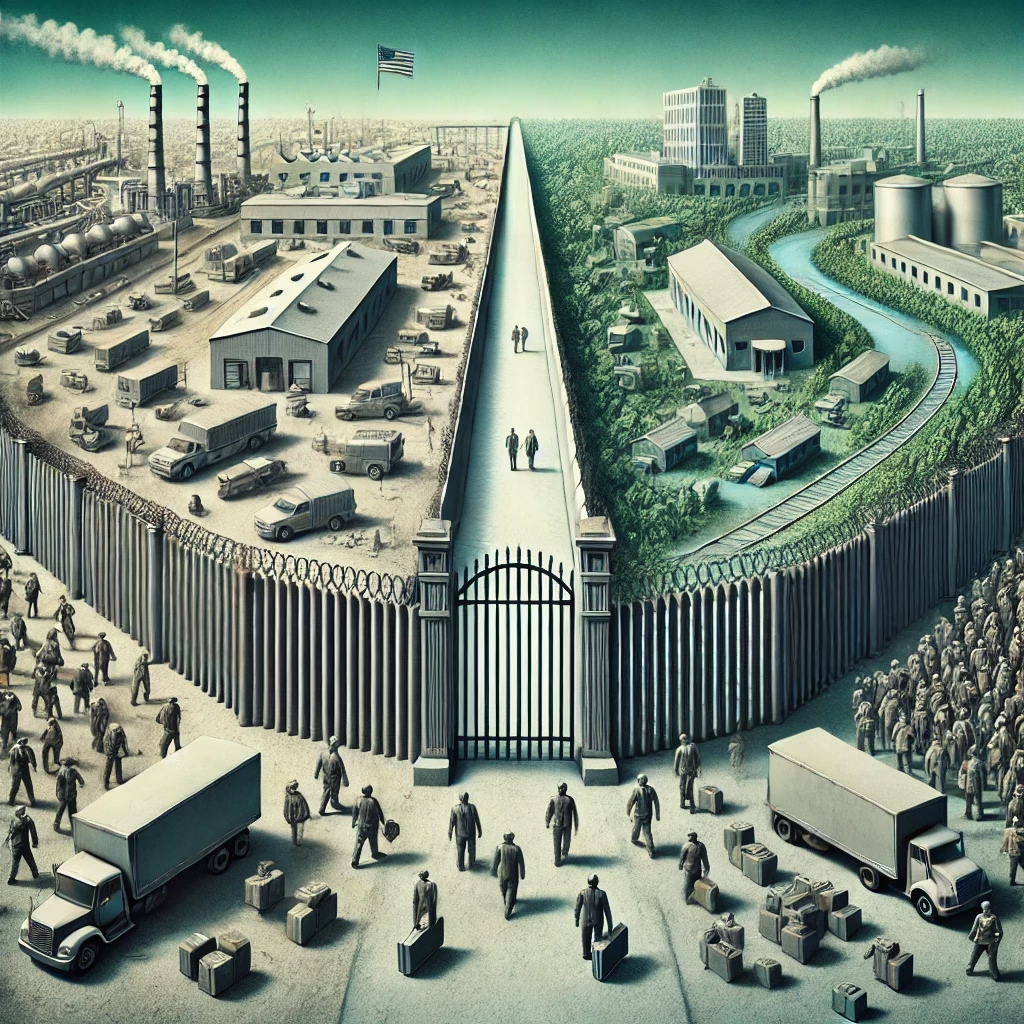
One of the most frequently cited arguments for limiting immigration is that an influx of new workers can create competition for existing jobs. Some economists and policymakers suggest that a steady stream of new arrivals may drive wages down or displace local workers, particularly in sectors where jobs require minimal training. Stricter limits, proponents argue, could protect domestic employment opportunities and prevent labor market oversaturation. - Safeguarding Public Resources
Public education, healthcare, and social services often operate with limited budgets. Critics of high immigration levels worry that a growing population—especially if newcomers are concentrated in low-income brackets—will overburden social support systems. They contend that governments must ensure that public infrastructure is equipped to serve the existing population before inviting more individuals to settle. Stricter limits, they say, would help manage fiscal sustainability, ensuring public funds are not stretched to a breaking point. - Maintaining Social Cohesion
Another point in favor of stringent immigration policies is the desire to maintain social cohesion and cultural continuity. Rapid demographic shifts may strain local communities that are unprepared for the integration of new cultural norms and customs. Proponents of tight controls argue that lower immigration rates would allow for smoother assimilation and help avoid the social tensions that can arise from rapid cultural change. - National Security Concerns
Some policymakers tie immigration control to concerns over national security. Although most immigrants undergo thorough background checks, proponents of strict limits argue that smaller inflows allow for better screening and reduce the risk of bad actors slipping through the system. A tightly controlled immigration system, in this view, can bolster national security, ensuring that countries maintain better oversight over who enters their borders.
The Case Against Strict Limits

- Economic Growth and Innovation
Historically, immigrants have contributed to significant technological and entrepreneurial advances in their new countries. From Silicon Valley to small business ecosystems worldwide, countless start-ups and patents are attributed to foreign-born innovators. By welcoming new talent, critics of strict immigration policies say, countries can inject fresh ideas, foster competitive industries, and ultimately drive economic growth. - Meeting Labor Shortages
Many industrialized nations face acute labor shortages in sectors such as healthcare, agriculture, construction, and technology. Immigration can fill gaps in the workforce that cannot be met by the domestic population alone—particularly as birthrates decline in certain regions. Opponents of strict limits argue that without foreign workers to support these crucial industries, national economies risk stagnation or decline. - Demographic Balance
As populations in developed countries age, there is an urgent need for young, skilled, and energetic workers to sustain social security systems and care for the elderly. Immigration can alleviate this demographic pressure. By adding to the pool of active contributors to the economy, immigrants help maintain a healthy ratio of working-age individuals to retirees. - Cultural Enrichment and Global Competitiveness
Immigration has historically fostered cultural diversity, encouraging cross-pollination of ideas, art, cuisine, and traditions. Such diversity not only enriches societies but also enhances global competitiveness. Countries perceived as more welcoming to immigrants often attract international students, high-level researchers, and skilled professionals, all of whom can spur additional economic and cultural benefits.
Finding a Balance
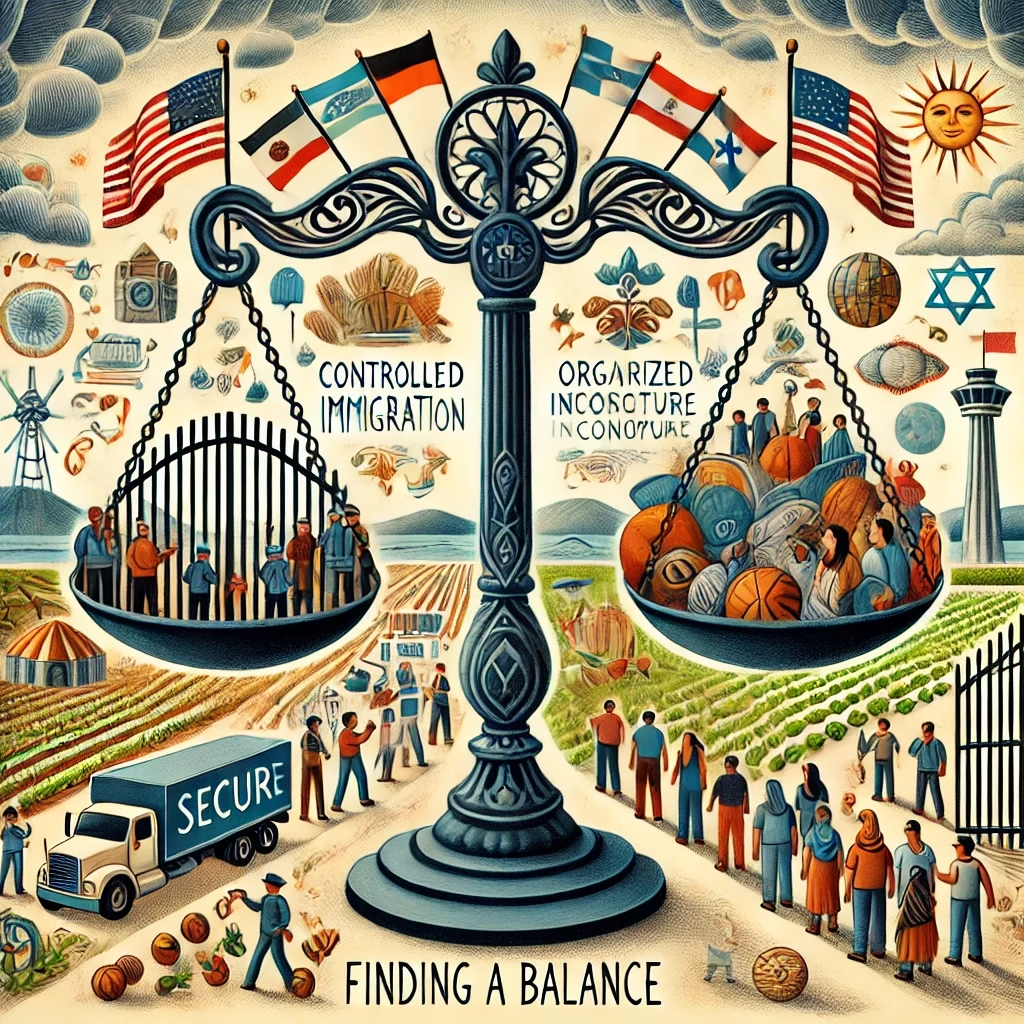
The debate over whether countries should impose strict limits on immigration touches on fundamental questions about identity, security, and prosperity. In a rapidly globalizing world, economies are intertwined, labor markets evolve quickly, and demographic shifts can drastically affect public policy. Striking the right balance is no easy task. Too much restriction risks choking economic growth, depriving industries of needed talent, and eroding a country’s cultural dynamism. Too little regulation, on the other hand, may lead to social tensions, overburdened public resources, and national security risks.
Ultimately, the question becomes not just whether to limit immigration, but how to tailor policies so they best serve national priorities without sacrificing the benefits newcomers bring. Many experts advocate for a strategic, evidence-based approach: setting quotas based on labor market demands, streamlining legal pathways for both high-skilled and essential workers, and investing in community integration programs.
Conclusion
The economic impacts of immigration cannot be boiled down to simple slogans or one-size-fits-all solutions. While some argue that strict limits on immigration are necessary to protect jobs, wages, and social services, others emphasize the vital role that immigrants play in driving innovation, addressing labor shortages, and invigorating local economies. Determining whether or not to impose strict limits on immigration ultimately hinges on how a society balances economic needs, social considerations, and ethical responsibilities. In the best scenarios, countries craft nuanced policies that harness the benefits of immigration while responsibly managing any potential drawbacks—ensuring that the flow of people across borders remains both sustainable and beneficial.
FAQ
Why do some people argue that strict immigration limits protect domestic labor markets?
Proponents believe that restricting immigration helps prevent excessive competition for local jobs and protects wages. They worry that a continuous influx of new workers may drive down wages, especially in sectors where jobs require minimal skills or training.
2. How could immigration strain public resources?
Critics contend that high levels of immigration can burden public services like education, healthcare, and social welfare programs. They are concerned that a growing population, particularly if many new arrivals are low-income, might overtax these systems and stretch government budgets thin.
3. What role does social cohesion play in this debate?
Some advocates for stricter limits feel that rapid demographic shifts can create cultural clashes and heighten social tensions. They believe a slower pace of immigration helps communities adapt more effectively, maintaining greater stability and harmony.
4. How does national security factor into arguments for strict immigration controls?
Supporters of tighter immigration controls argue that smaller numbers of entrants make it easier to conduct thorough screening. In their view, this lowers the chances that potential threats or criminals could slip through undetected.
5. In what ways can immigrants drive economic growth?
Immigrants often bring fresh ideas, specialized skills, and entrepreneurial spirit. Throughout history, foreign-born individuals have contributed to major innovations, launched start-ups, and secured patents, fueling economic expansion and competitiveness.
6. Why do businesses in industrialized countries depend on immigrant labor?
In many sectors, including healthcare, agriculture, and technology, there are not enough local workers to fill available jobs. Immigration helps address these labor shortages, ensuring key industries have the workforce needed to remain productive and globally competitive.
7. How does immigration help address demographic challenges?
Many developed nations face aging populations and declining birth rates. Younger immigrants bolster the workforce, contribute to tax revenues, and support social programs—such as pensions—while often providing essential care for the elderly.
8. What cultural benefits can immigration bring?
Immigration enriches societies by introducing new languages, traditions, cuisines, and artistic expressions. This diversity broadens cultural awareness, drives creativity, and can strengthen international connections.
9. Is there a middle ground between strict limits and open borders?
A balanced approach can include setting quotas based on labor market needs, implementing rigorous security checks, and investing in integration programs. Such measures aim to preserve the economic and cultural advantages of immigration while mitigating potential strains.
10. What is the core challenge when forming immigration policies?
Countries must find a balance between stimulating economic growth and preserving social and security interests. Overly restrictive policies risk curbing innovation and underfilling vital jobs, while too few restrictions may stretch public resources and spark social tensions. Thoughtful, evidence-based policies are crucial for navigating this complex issue.