You open TikTok or X for “two minutes”, then suddenly it is midnight and you are deep in US election drama. Your heart is racing, your brain is fried, and your essay is still untouched. Sound familiar?
A thoughtful media diet for students helps you stay informed without getting sucked into endless outrage. Instead of random feeds choosing your mood, you choose what you see, when you see it, and why.
This guide walks you through simple steps to stop doomscrolling politics, protect your focus, and still know what is going on in the world.
Key Takeaways
- A media diet for students is a planned way of choosing what you consume, not a strict ban.
- You can stay informed about politics without doomscrolling by using time limits and clear goals.
- Swapping some political feeds for higher-quality, long-form content can lower stress and improve focus.
What Is A Media Diet For Students?
A media diet is like a food diet, but for your attention. Instead of eating anything in sight, you decide what information you “feed” your brain.
For students, that matters a lot. You need focus for lectures, revision, and essays, yet social media apps are built to keep you scrolling. Many students say they feel exhausted by news, especially about politics and global crises.
Researchers and educators are starting to talk about media diets in a serious way. A Princeton course on news overload teaches students how to manage their feeds so they feel informed, not crushed. You can build the same skill for yourself, even without a formal class.
Spot The Signs You Are Doomscrolling Politics
Doomscrolling is more than “I check the news a lot”. It is a pattern where you keep consuming negative stories even when you feel worse with every swipe.
Common signs include:
- You feel wired and hopeless after scrolling political updates, not clearer or more prepared.
- You keep chasing the next hit of “breaking news”, even during lectures or study sessions.
- You replay arguments in your head or in group chats long after you put your phone down.
- You avoid hard tasks by jumping into political drama instead.
If that sounds like you, your media diet is not broken because you care about politics. It is broken because the way you consume politics is hurting your attention and mood.
Step 1: Decide What You Want From Your Media Use
Before you change your feeds, get clear on your goals. Ask yourself:
- Why do I want to follow politics at all?
- How informed do I actually need to be for my life right now?
- How much time can I give to news without harming my study, sleep, or social life?
Your answer might be, “I want to understand key events, so I can vote wisely and join good-faith discussions”, not “I want to know every rumour within five minutes”.
Write a short media statement for yourself, for example:
“I want to stay reasonably informed about UK and global politics, without harming my grades or mental health.”
This sentence becomes your filter. If a habit does not match it, that habit is up for change.
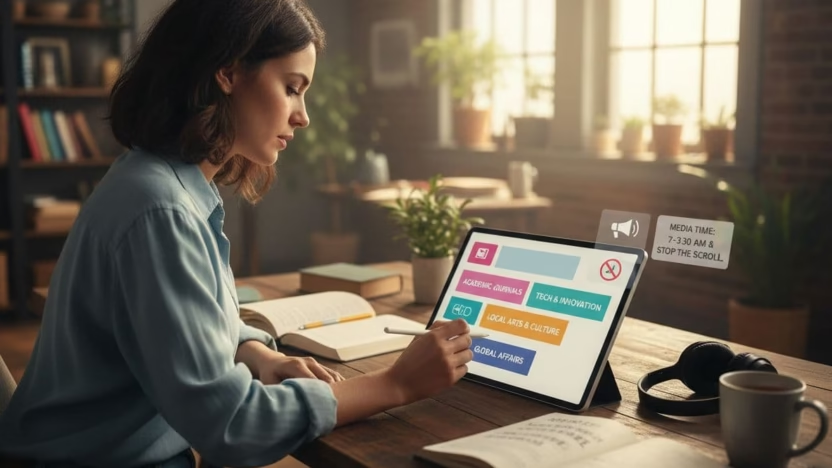
Step 2: Design Your Personal Media Menu
Now imagine you are building a menu for your attention. What goes on it?
You might include:
- One or two daily news sources, like a morning email briefing or a trusted app.
- A couple of long-form podcasts or videos each week that go deep, not just hot takes.
- Some content that has nothing to do with politics at all, like art, science, or comedy.
Think about swapping low-quality feeds for richer ones. For example, instead of scrolling random political threads at 1 a.m., you could follow a curated list of newsletters, magazines, or YouTube channels that you check at set times. This guide to media to consume instead of doomscrolling has plenty of ideas if you feel stuck.
The key idea is simple: your home screen should show what you have chosen, not whatever the algorithm pushes at you.
Step 3: Control The Flow With Tools And Boundaries
A good media diet for students is not just about taste, it is about portion size too.
You can use simple tools:
- Screen-time limits for news and social apps.
- Website blockers during study blocks.
- Turning your phone to grayscale so feeds look less exciting.
Pick one or two and test them for a week. Do not try to overhaul everything at once.
You can also change how you check the news. Many people find it helps to have set “news windows”, for example 15 minutes after breakfast and 15 minutes in the early evening, and no scrolling in bed. A Forbes article on stopping doomscrolling suggests this approach for adults, and it works just as well for students.
When the time is up, you close the app. If there is a genuine emergency, you will hear about it anyway.
Step 4: Make Politics Smaller But Smarter
You do not need to follow every thread to be a “good” citizen. In fact, constant exposure to shocking news can make you feel powerless and less likely to take real action.
Try these tweaks:
- Shrink your source list. Pick two or three trusted outlets instead of ten noisy ones.
- Skip live comment sections. They are designed for drama, not understanding.
- Favour explainers over outrage. Look for pieces that break down an issue, not just shout about it. For example, this article on balancing news and doomscrolling explains why constant checking feels so draining.
- Connect news to action. If a topic worries you, look for a small step you can take on campus or in your local community.
You are not ignoring politics. You are right-sizing it so it fits inside a full student life that also includes study, rest, hobbies, and friends.
Keep Your Media Diet Sustainable
Any diet that is too strict fails fast. The same is true here.
Expect slip-ups. There will be nights when you spiral through US election memes or war updates again. The point is not perfection, it is trend. You want your average day to feel calmer and more focused than before.
Once a week, do a quick check-in:
- How do I feel after my usual media use?
- Did my media help or hurt my study this week?
- What is one small tweak I can try next?
If politics still leaves you tense or tearful most days, it might help to speak to a friend, tutor, or counsellor. Articles such as this piece on political stress and doomscrolling show you are far from alone.
Conclusion: Choose A Media Diet That Serves You
Doomscrolling politics feels like staying informed, but it mostly steals your time, focus, and peace of mind. A simple media diet for students flips that pattern, so your media use supports the life you actually want.
Start small. Pick one change this week, maybe a news window or a new home screen, and see how your brain feels. You deserve a media routine that feeds your mind without burning it out.
Frequently Asked Questions About Building A Personal Media Diet As A Student So You Stop Doomscrolling Politics
Do I have to quit social media to fix my media diet?
No. You do not need to quit social media unless you want to. The goal is to use it on purpose, with time limits and clear reasons, instead of letting it fill every spare moment.
How much time should a student spend on news each day?
There is no perfect number, but many students do well with 20 to 40 minutes a day. You can split that into two short windows. If your news time is cutting into sleep or study, it is too much.
How can I stay informed about politics before an exam or election?
Choose a small set of quality sources, like one newspaper app and one email briefing. Focus on explainers, summaries, and long-form pieces, not live feeds. Take brief notes while you read so you remember key points without needing to scroll again and again.