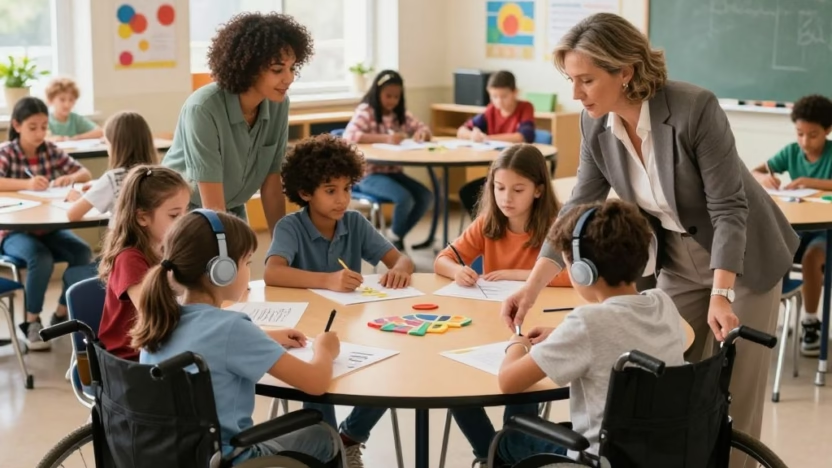
Did you know that 1 in 5 children in the United States has a learning or developmental disability?
This shocking fact shows how important it is for teachers to have the right tools to help students with special needs.
Helping students with disabilities is key for their growth and happiness. By making education inclusive, teachers can help these students achieve their best.
The course “Teaching Students with Disabilities” offers useful methods and strategies for teachers to support students with special needs.
Key Takeaways
- Understanding the importance of inclusive education for students with disabilities
- Identifying effective strategies to support students with special educational needs
- Recognising the role of educators in empowering students with disabilities
- Appreciating the impact of inclusive education on students’ overall development
- Utilising resources to support students with disabilities
Understanding the Diverse Needs of Students with Disabilities
It’s key to know the different needs of students with disabilities for their success. These students have a wide range of conditions, like physical, sensory, cognitive, and hidden disabilities. Teachers need to understand these needs to offer the right support.
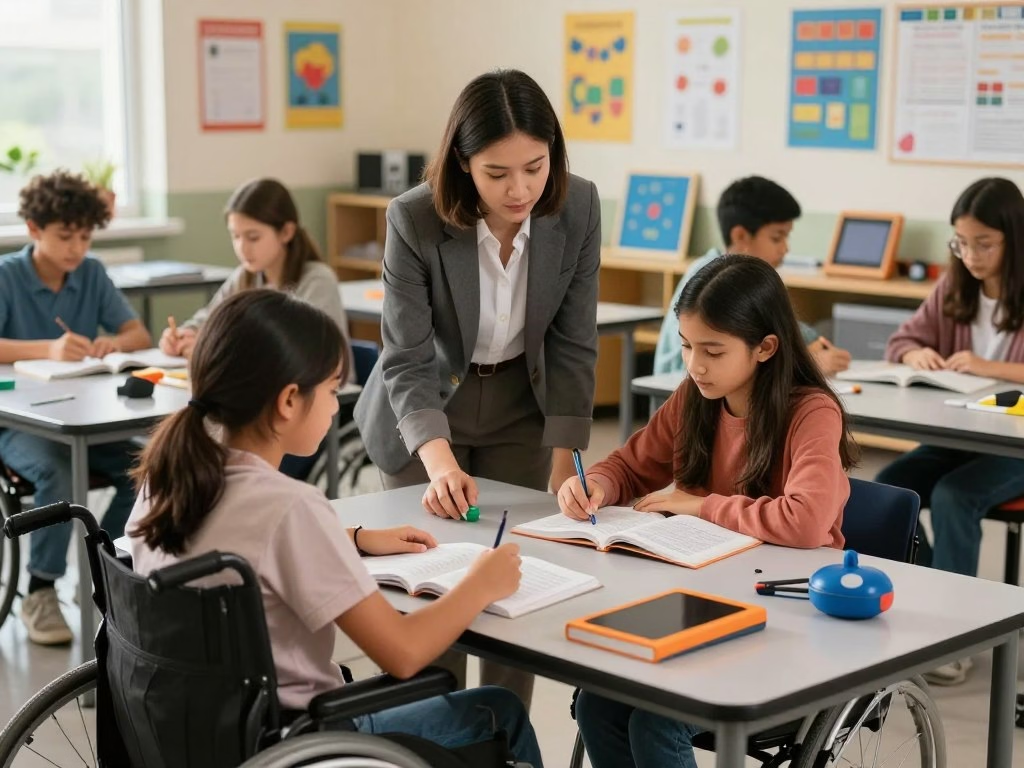
Common Types of Disabilities in Educational Settings
Students with disabilities face various challenges in school. These can be split into physical, sensory, cognitive, and hidden disabilities. Knowing about these helps teachers support them better.
Physical, Sensory, and Cognitive Disabilities
Physical disabilities include mobility issues, muscular dystrophy, and cerebral palsy. Sensory disabilities affect sight or hearing. Cognitive disabilities include intellectual issues, autism, or learning disorders.
Hidden Disabilities and Chronic Health Conditions
Hidden disabilities and chronic health issues, like dyslexia or ADHD, also affect students. These need special support and adjustments.
| Type of Disability | Examples | Potential Accommodations |
|---|---|---|
| Physical Disabilities | Mobility impairments, muscular dystrophy | Wheelchair accessibility, adaptive physical education |
| Sensory Disabilities | Visual or hearing impairments | Sign language interpreters, Braille materials |
| Cognitive Disabilities | Intellectual disabilities, autism spectrum disorder | Individualised Education Plans (IEPs), specialised instruction |
The Importance of Individualised Approaches
Because of the wide range of disabilities, individualised approaches are essential. Individualised Education Plans (IEPs) help meet each student’s unique needs. This way, students with disabilities can succeed academically.
Also, embracing neurodiversity and using accessible learning resources improves education for these students. Understanding and supporting their diverse needs creates a more inclusive learning space.
Legal Frameworks and Rights for Students with Disabilities in the US
In the United States, laws protect students with disabilities. These laws are key for an inclusive school environment. They help meet the needs of all students.
The Americans with Disabilities Act (ADA) and Education
The Americans with Disabilities Act (ADA) is a major civil rights law. It stops discrimination against people with disabilities in schools. It makes sure students with disabilities get the same chance to learn.
This includes things like wheelchair ramps and special technology. These help students with disabilities learn better.
Individuals with Disabilities Education Act (IDEA)
The Individuals with Disabilities Education Act (IDEA) is all about education for students with disabilities. It makes sure schools help each student in their own way. This is done through special plans called Individualized Education Programs (IEPs).
Both the ADA and IDEA are very important. They help make schools better for students with disabilities. Educators and disability advocacy groups work together to make schools more welcoming.
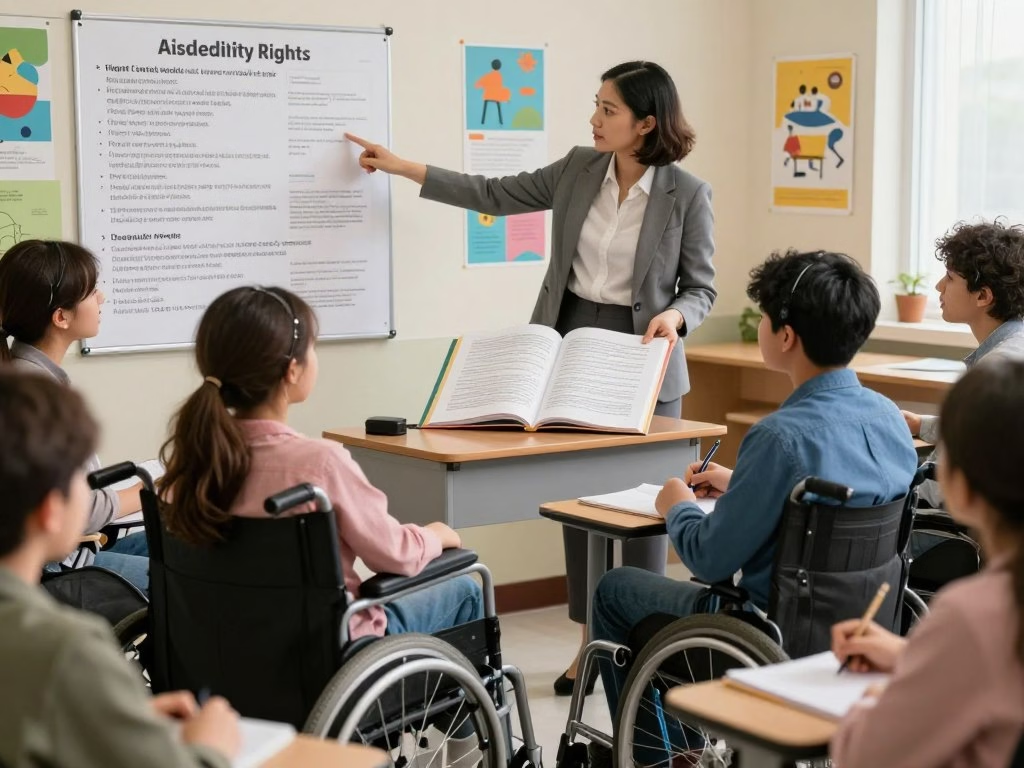
Creating an Inclusive Classroom Environment
Inclusive classrooms give all students a fair chance, no matter their disabilities. It’s not just about making the classroom accessible. It’s also about changing how we teach and the classroom’s atmosphere.
Physical Accessibility Considerations
Making the classroom accessible is key to inclusivity. This means changing the layout, adding ramps or lifts, and using digital tools that everyone can use. A wheelchair-accessible classroom lets students with mobility issues join in fully.
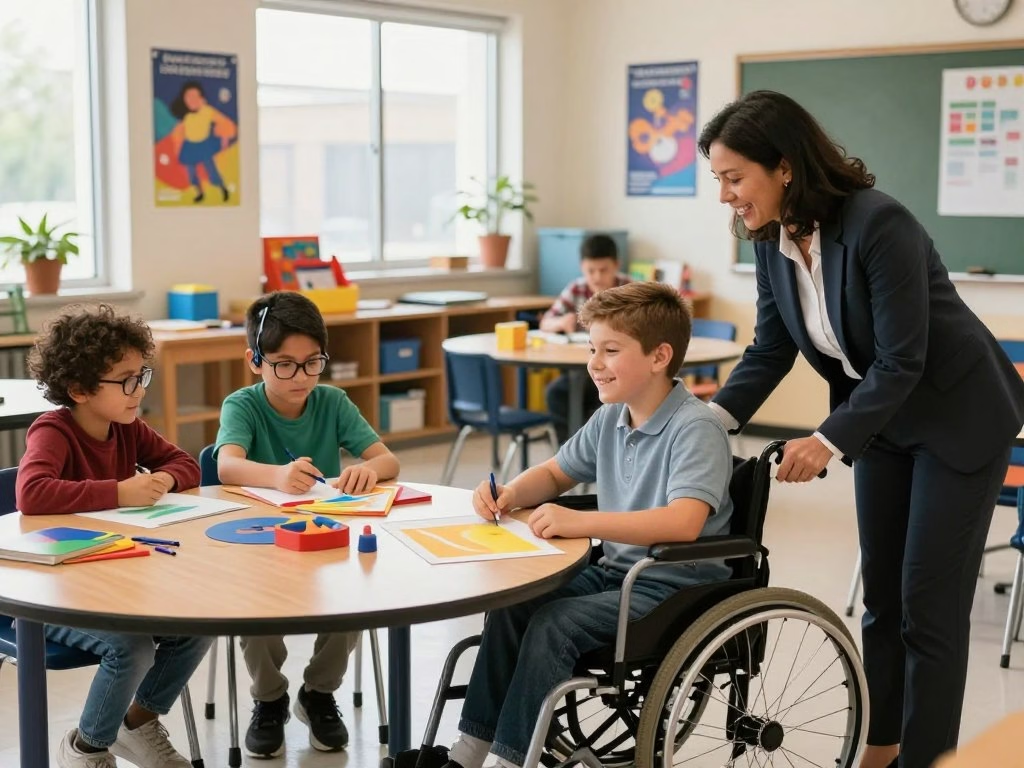
Fostering a Culture of Acceptance and Understanding
It’s vital to create a welcoming classroom culture. This can be done through awareness programs, inclusive lessons, and encouraging students to support each other. By teaching empathy, we can lessen stigma and make learning a supportive place.
Universal Design for Learning Principles
Using Universal Design for Learning (UDL) helps meet the needs of all students. UDL means giving students different ways to learn, express themselves, and get involved. For example, using videos and letting students choose how to complete assignments can make learning more engaging.
| UDL Principle | Application in Classroom |
|---|---|
| Multiple Means of Representation | Using videos, images, and text to present information |
| Multiple Means of Expression | Offering choices between written assignments, presentations, or projects |
| Multiple Means of Engagement | Incorporating student interests into lessons and providing autonomy |
Effective Teaching Strategies for Students with Disabilities
To help students with disabilities, teachers need to use many teaching strategies. These strategies make learning fun and easy to understand. This way, every student feels included and supported.
Differentiated Instruction Techniques
Differentiated instruction means teaching in ways that fit each student’s needs. It includes learning style differentiation, where teaching is adjusted for visual, auditory, or kinaesthetic learners. Teachers also change content, process, or product to meet different abilities and learning styles.
- Using a mix of visual, auditory, and hands-on activities
- Providing choices in how students demonstrate their learning
- Adjusting the complexity of materials and tasks based on student needs
Multimodal Teaching Approaches
Multimodal teaching uses different ways to teach, like visual, auditory, and textual. This method keeps students engaged and helps them understand in their own way. For example, video lectures, interactive simulations, and text-based resources meet different learning needs.
Assessment Accommodations and Modifications
Assessment accommodations and modifications are key for fair testing. Accommodations change how students are tested without changing the standards. Modifications change what students are expected to learn or show.
Extended Time and Alternative Testing Formats
Offering extended time on tests or using alternative testing formats helps students with disabilities. Formats like oral exams or computer-based tests can make testing easier.
Modified Grading and Portfolio Assessment
Modified grading systems and portfolio assessments are different ways to check student progress. They focus on individual effort and skill mastery, giving a detailed view of student achievement.
By using these teaching strategies, teachers can support students with disabilities better. This creates a fair and inclusive learning space for everyone.
Leveraging Assistive Technology for Academic Success
Assistive technology is key for students with disabilities. It makes learning easier and helps them be more independent. By using different tools, students can face challenges head-on and reach their goals.
Text-to-Speech and Speech-to-Text Tools
Tools like text-to-speech and speech-to-text are very helpful. They help with reading and writing. For example, NaturalReader and ClaroRead are great for reading out loud. Dragon NaturallySpeaking is excellent for typing with your voice.
Note-Taking and Organisation Applications
Apps for note-taking and organisation are a big help. Evernote and OneNote have features like tagging and searching. They make it easier to keep track of notes and study materials.
Specialised Hardware Solutions
There are special hardware tools for students with physical disabilities. Adaptive keyboards and mouse alternatives give more control. Screen readers and magnifiers help those with visual impairments.
Adaptive Keyboards and Mouse Alternatives
Adaptive keyboards and mouse alternatives are made for different needs. Ergonomic keyboards reduce strain. On-screen keyboards and switch-activated devices offer other ways to interact.
Screen Readers and Magnifiers
Screen readers like JAWS and NVDA read out the screen. This helps visually impaired students. Magnifiers, such as ZoomText, make text and images bigger and clearer.
| Assistive Technology Tool | Description | Benefit |
|---|---|---|
| Text-to-Speech Software | Reads digital text aloud | Assists with reading comprehension |
| Speech-to-Text Software | Transcribes spoken words into text | Facilitates writing and note-taking |
| Adaptive Keyboards | Ergonomic or alternative input devices | Enhances typing comfort and accessibility |
Supporting Neurodiversity in Educational Settings
It’s vital to embrace neurodiversity in schools to make sure all students can do well. Neurodiversity includes differences like Autism Spectrum Disorder (ASD), Attention Deficit Hyperactivity Disorder (ADHD), and dyslexia. By understanding and supporting these differences, teachers can help students learn better.
Understanding Autism Spectrum Disorder
Autism Spectrum Disorder affects how people interact, communicate, and behave. Students with ASD often do well with set routines and clear instructions. Teachers can help by making the learning environment predictable and tailoring lessons to each student’s needs.
Strategies for ADHD and Executive Functioning Challenges
ADHD makes it hard to focus, control impulses, and stay active. To help students with ADHD, teachers can break tasks into smaller parts and give feedback often. They can also teach skills like planning and time management.
Addressing Dyslexia and Other Learning Differences
Dyslexia mainly affects reading and spelling. Teachers can use different teaching methods, offer technology like text-to-speech software, and give more time for reading and writing. This support can really help students with dyslexia do better in school.
| Neurodiverse Condition | Key Characteristics | Support Strategies |
|---|---|---|
| Autism Spectrum Disorder | Differences in social interaction and communication | Structured routines, clear instructions, social skills training |
| ADHD | Difficulties with attention, impulse control, and hyperactivity | Breaking tasks into smaller steps, frequent feedback, organisational tools |
| Dyslexia | Difficulties with reading and spelling | Multisensory teaching, assistive technology, extra time for reading and writing tasks |
Building Self-Advocacy Skills in Students with Disabilities
Teaching students with disabilities to advocate for themselves is key. It helps them become more independent and confident. By learning to express their needs and rights, students can create a more inclusive school environment. This empowerment allows them to take charge of their learning journey.
Teaching Students to Communicate Their Needs
Good communication is at the core of self-advocacy. Students must learn to clearly state their needs to teachers, friends, and others. This includes practicing assertive speaking, understanding their rights, and role-playing different situations.
Developing Independence and Self-Determination
Independence and self-determination are vital for students with disabilities. They should set personal goals, make choices, and take responsibility for their actions. Teachers can help by giving students the chance to make decisions and see the outcomes in a safe space.
Goal Setting and Decision-Making Skills
Teaching students to set and achieve goals is essential. They should aim for realistic targets and find ways to reach them. This builds their resilience and problem-solving abilities.
Preparing for Accommodation Discussions
Preparing students for talks about accommodations is also important. They need to learn how to ask for help, understand their IEPs, and talk effectively with teachers and support staff.
| Self-Advocacy Skill | Description | Benefit |
|---|---|---|
| Communicating Needs | Articulating requirements clearly | Enhanced understanding and support |
| Goal Setting | Setting and working towards personal goals | Increased independence and motivation |
| Decision Making | Making informed choices | Improved self-confidence and autonomy |
Campus Disability Support Services: Maximising Available Resources
Campus disability support services are key for students with disabilities. They ensure everyone gets a fair chance at education. These services offer many ways to help students with different needs.
Navigating Accommodation Processes
Getting the right help is important for students. They should sign up with the disability support office early. This makes getting help easier. Key steps include an initial check, making a plan, and ongoing help.
Academic Support Programmes
Academic support is vital for students with disabilities. It includes note-taking, tutoring, and coaching. This helps make sure everyone has a fair chance in school.
Counselling and Mental Health Services
Counselling and mental health services are key for students’ well-being. They help with stress, anxiety, and other mental health issues.
| Service | Description | Benefit |
|---|---|---|
| Accommodation Planning | Personalised plans for academic adjustments | Enhanced accessibility |
| Academic Support | Tutoring, note-taking, and coaching | Improved academic performance |
| Counselling Services | Mental health support and guidance | Better mental well-being |
Using these resources well helps students reach their goals. Schools must keep improving their support for students with disabilities. This creates a welcoming place for everyone to learn.
Collaborative Approaches: Engaging Parents, Teachers, and Specialists
Working together is key to helping students with disabilities. Parents, teachers, and specialists all play a part. This teamwork makes sure students get the support they need.
Effective Communication Between Stakeholders
Good communication is the heart of teamwork. Keeping everyone informed helps understand a student’s needs and progress. Ways to do this include:
- Regular meetings
- Email updates
- Shared online platforms
Creating and Implementing Individualised Education Plans
Each student gets a plan made just for them. This plan is made with the help of parents, teachers, and specialists. It sets goals and outlines the support needed.
IEP Development Process
Making an IEP is a team effort. It’s important to set goals that are reachable and to identify the support needed.
Monitoring Progress and Making Adjustments
It’s important to check how a student is doing against their goals. This means making changes to the plan as needed to keep it working well.
By working together and using IEPs, teachers can give targeted support. This helps students with special needs do better in school. It creates a supportive place for all students to learn and grow.
Transitioning to Higher Education and Employment
Going from secondary school to higher education and work is a big step for students with disabilities. It needs careful planning and support. This time can be both thrilling and scary, as students face new places and challenges.
Preparation Strategies for Post-Secondary Success
To make the transition smooth, students with disabilities should use preparation strategies that help them be independent and speak up for themselves. They should work on study skills, know their rights, and learn to share their needs well. Schools often have programmes and counselling to help with this.
Connecting with Vocational Rehabilitation Services
It’s also important to connect with vocational rehabilitation services for help with careers, job training, and finding jobs. These services help students find their strengths and interests, matching them with the right careers. With these resources, students can find a rewarding career and reach their goals.
Conclusion: Empowering Success Through Inclusive Practices
Supporting students with disabilities means being fully inclusive. Educators must provide the right support and resources. This way, students with disabilities can reach their highest goals.
Inclusive education is more than just access. It’s about making a place where all students, including those with special needs, can do well.
We’ve looked at many ways to help students with disabilities, from making classrooms welcoming to using technology to assist. These steps can greatly improve the lives of students with disabilities.
The path to inclusive education keeps going, needing ongoing support for students with different needs. By working together and using inclusive methods, we can help all students succeed.