

Ever made a huge pile of flashcards, revised them for hours, then blanked in the exam anyway? That usually happens because the cards aren’t the problem. The flashcard system is.
A good system does three things: it makes you retrieve (not recognise), it brings cards back at the right time, and it fixes weak spots fast. Do that, and your revision starts to feel like training, not wishful thinking.
Key Takeaways
- A flashcard system works when it forces active recall, not rereading.
- Keep cards simple, one idea per card, with clear marks-based answers.
- Use spaced repetition so you review just before you forget.
- Track errors from past papers, then turn them into targeted cards.
- Consistency beats intensity, 15 minutes daily is enough to build momentum.
Table of Contents
- Key Takeaways
- Build Flashcards For Active Recall (Not Recognition)
- Set Up Spaced Repetition So Cards Come Back At The Right Time
- Use Exam-Style Cards And Feedback Loops To Raise Scores
- Conclusion
- Frequently Asked Questions About Flashcard Systems
Build Flashcards For Active Recall (Not Recognition)
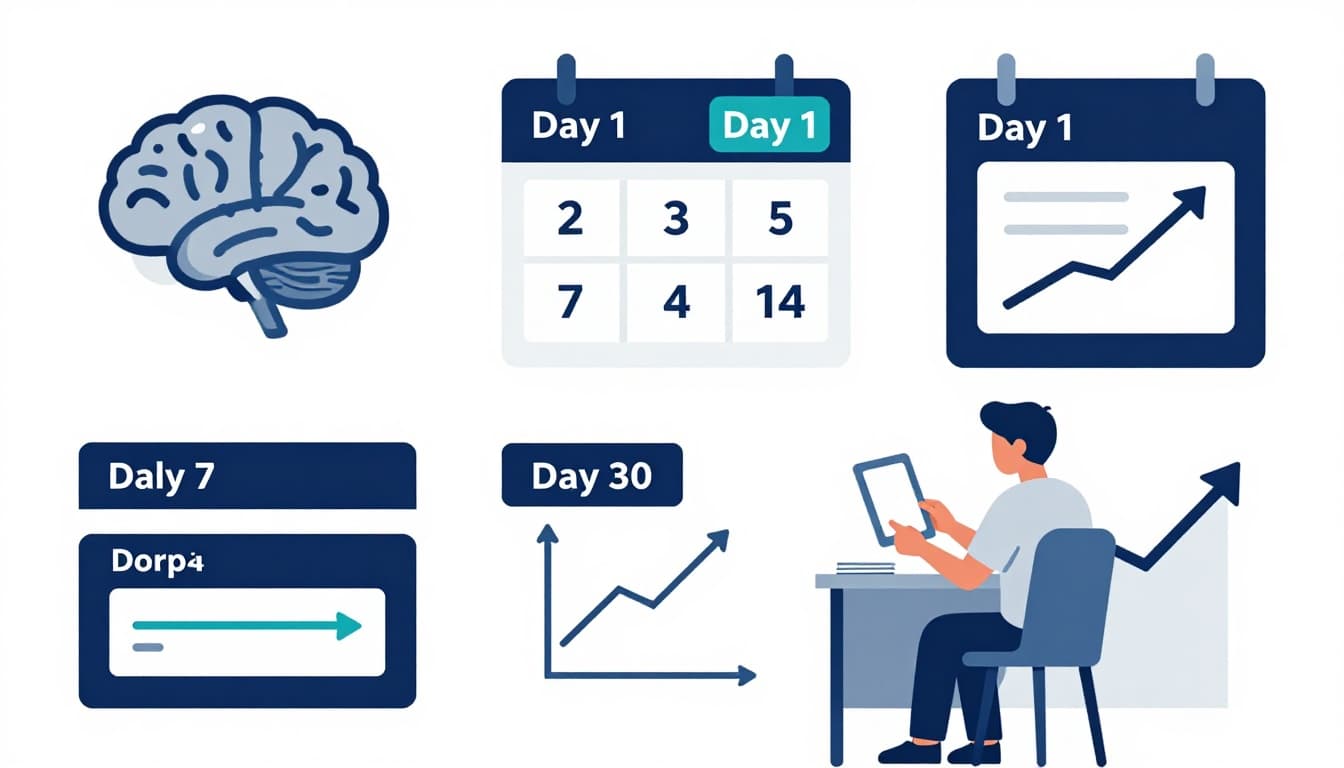
If your card lets you guess the answer from a hint, it’s not training recall. It’s like practising a penalty with the goal already highlighted. You feel confident, but the match is different.
Start by writing cards that make you produce an answer with no help. That means questions that require output, not prompts that trigger a vague “yeah, I know that”.
Keep these rules tight:
- One card, one idea. If you can’t answer in 20 to 40 seconds, split it.
- Use precise questions. “Explain X” is often too wide. “State two causes of X” is clearer.
- Make the back markable. Write what would earn marks, not a paragraph.
- Add a short cue when needed. For example, “Use a formula” or “Give two examples”.
This is where flashcards fit into wider study science. Retrieval practice and spacing show up again and again in research-backed methods, including the guidance in The Science of Effective Studying.
If you can answer a card by “vibes”, rewrite it until the answer is clear enough to mark.
Also, don’t try to flashcard everything. Use them for high-frequency facts, steps, definitions, and common confusions. Leave long essays and full topics for other methods.
Set Up Spaced Repetition So Cards Come Back At The Right Time
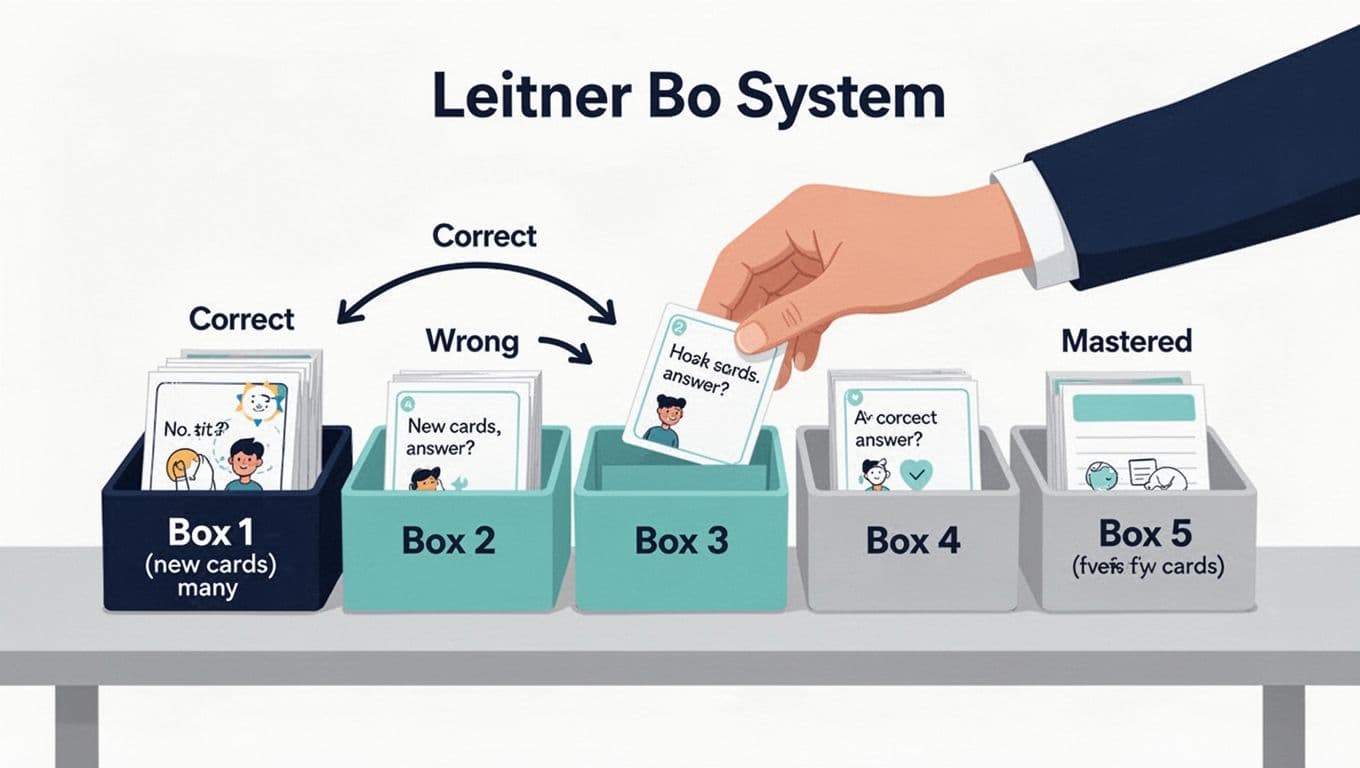
A flashcard system fails when reviews are random. You either over-review easy cards, or you forget hard ones completely. Spaced repetition fixes that by scheduling reviews based on performance.
You can do this with an app (like Anki) or with paper using the Leitner system:
- Box 1: new or weak cards (review often)
- Boxes 2 to 4: improving cards (review less)
- Box 5: strong cards (review rarely)
When you get a card right, move it forward. When you get it wrong, send it back to Box 1. Simple, and it stays honest.
If you want a clear explanation of timing, use this guide on what spaced repetition is and how to use it effectively. For an easy calendar pattern, Birmingham City University’s spaced repetition “2357 method” explainer{:rel=”nofollow” target=”_blank”} is a helpful model.
A practical schedule that suits most exam timetables looks like this:
- Day 1: learn and test
- Day 3: first review
- Day 7: second review
- Day 14: third review
- Day 30: quick check
Most importantly, protect a small daily review slot. Even 15 minutes keeps the system alive. Miss three days and the “due” pile grows teeth.
Use Exam-Style Cards And Feedback Loops To Raise Scores
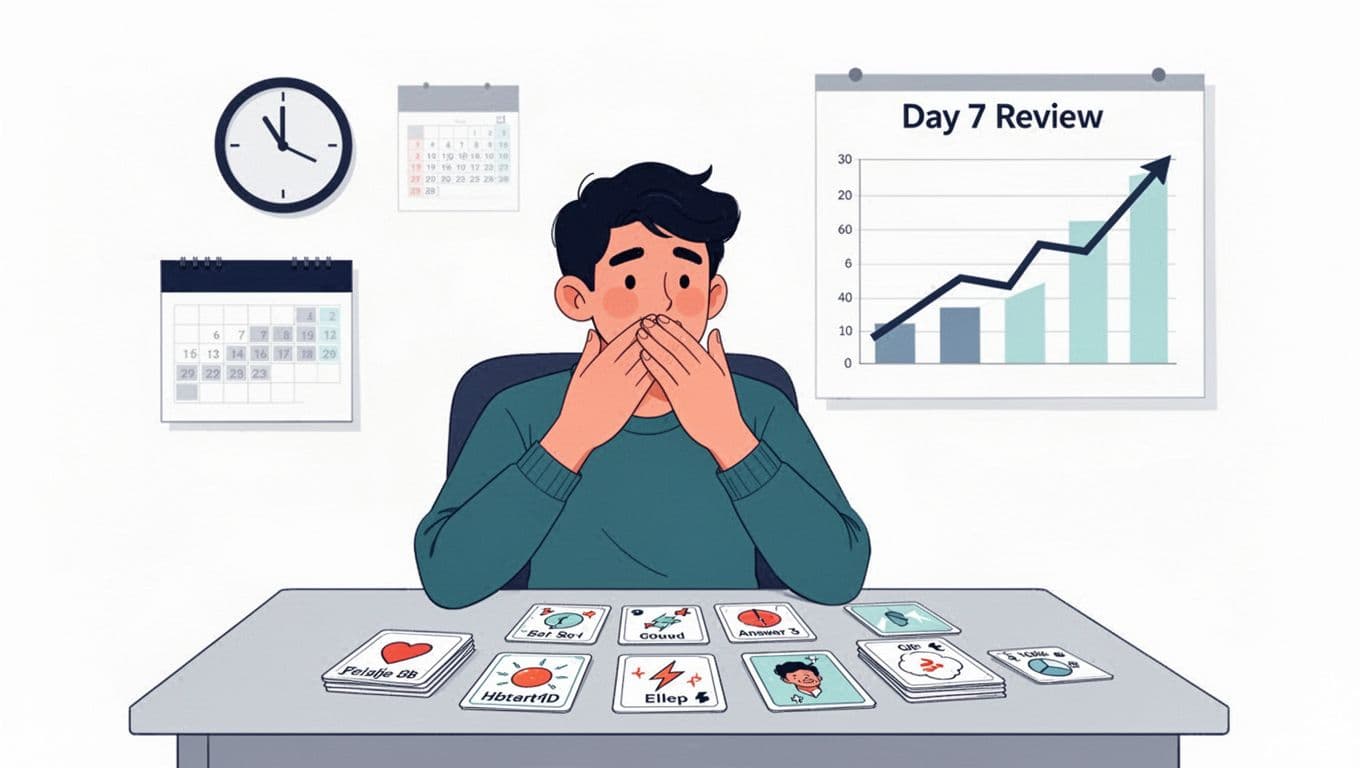
Better recall helps, but exam marks come from the right recall. So build cards that match how questions are set.
Here’s a quick example of turning weak cards into exam-friendly ones:
| Card Type | Too Weak (Recognition) | Better (Exam-Style Recall) |
|---|---|---|
| Definition | “What is osmosis?” | “Define osmosis and state the condition needed for net movement.” |
| Process | “Stages of mitosis?” | “List the stages in order, then give one key event in each.” |
| Maths/Science | “What’s the formula?” | “Given values, calculate X and show units.” |
| Essay Subject | “Explain capitalism” | “Give two features of capitalism and one criticism, in three sentences.” |
Next, add a feedback loop from real questions. After each past-paper session, pull out mistakes and convert them into cards. You can do this in two minutes:
- Write one card for the missing knowledge.
- Write one card for the exam move you missed (command words, working, structure).
This is where apps can help, especially for sorting and scheduling. If you’re choosing tools, Save My Exams has a useful roundup of revision apps and how to use them effectively{:rel=”nofollow” target=”_blank”}. Evidence on Anki and performance is also growing, for example this open access 2026 review on Anki use and academic performance{:rel=”nofollow” target=”_blank”}.
Finally, tie your flashcard system into your wider plan. If you need help structuring revision weeks, use this guide on how to study effectively for exams.
Conclusion
A flashcard system improves exam scores when it’s built for active recall, spaced reviews, and fast fixes from real mistakes. Keep cards short, schedule them with spacing, and let past papers tell you what to write next. Start small today, then stay consistent for a week. You’ll feel the difference when questions stop feeling unfamiliar.
Frequently Asked Questions About Flashcard Systems
How Many Flashcards Should I Make Per Topic?
Start with 15 to 30 high-value cards. If you’re making hundreds, you’re probably copying notes. Focus on what gets tested often, and what you keep forgetting.
Is Anki Better Than Paper Flashcards?
Anki makes spacing easier and saves time on scheduling. Paper can work just as well if you stick to a Leitner setup. The best choice is the one you’ll use daily.
When Should I Start Using Spaced Repetition Before Exams?
As early as you can, ideally from the first week of the module. If exams are close, start anyway, then prioritise weak topics and common question types.
Why Do I Keep Getting Cards “Right” But Still Lose Marks?
Your cards may be too vague. Rewrite them so the back looks like a mark scheme, with the exact terms, steps, or working the exam expects.
Should I Review Flashcards On The Same Day As Past Papers?
Yes, but keep it light. Do past-paper work first, then make and review new mistake-based cards while the feedback is fresh.


