
 Paul Scott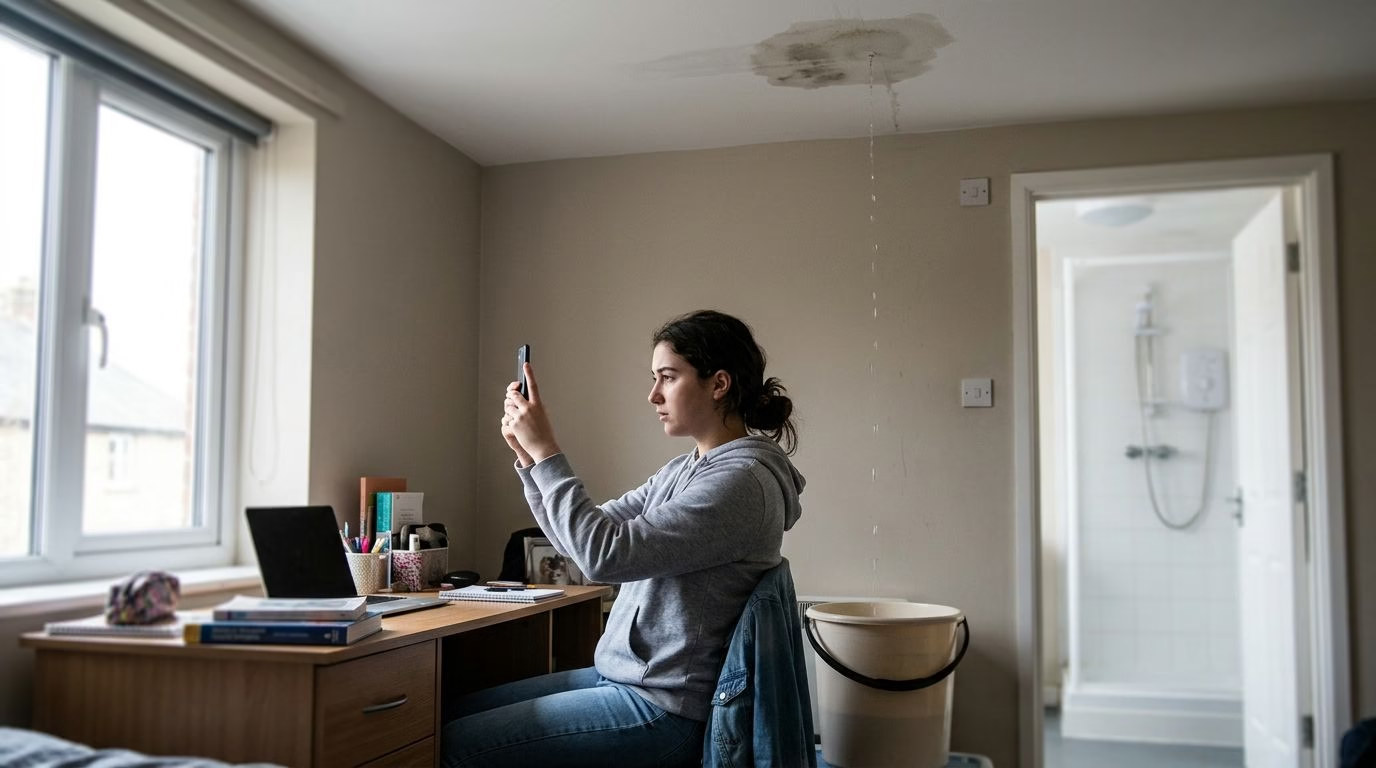
A leaking ceiling or cold shower can derail your week faster than a missed seminar. Report student accommodation repairs as soon as you spot them, because delays can make damage worse and leave you without the evidence you need.
Whether you rent a room in a shared house or live in a private student block, a clear written report gives the landlord or agent a fair chance to act. It also creates a record if you need to chase the issue later.
Key Takeaways
- Report faults through the landlord, letting agent, or accommodation provider’s official channel, then keep a copy of every message.
- Describe the problem clearly, add dated photos, and explain any health, safety, or study impact.
- Treat gas smells, serious electrical faults, major leaks, fire risks, and structural damage as emergencies.
- In England, contact your local council’s Environmental Health team if a serious hazard remains unresolved.
- Keep paying rent unless you have received proper legal advice. Withholding it can put your tenancy at risk.
These steps focus on private rented accommodation in England. Rules differ in Scotland, Wales, and Northern Ireland, so speak to your university housing team or local advice service if you live elsewhere.
Know Who Should Receive Your Report
Private student housing can mean a house rented from a landlord, a letting-agent managed flat, or a room in a purpose-built student accommodation block. The right reporting route depends on your agreement.
Use the Official Reporting Channel
Start with the repair portal, maintenance app, or email address named in your tenancy agreement. Private halls often have a reception desk and an out-of-hours number, while shared houses may rely on an agent’s maintenance inbox.
If you tell a caretaker or concierge in person, follow it up in writing. A verbal chat can solve a small problem, but it doesn’t show when you first reported a worsening leak or broken boiler.
Copy in the named agent and landlord if you have both details. In a shared house, send the report to housemates too. That prevents several versions of the same issue appearing later.
Check Your Tenancy Agreement First
Your agreement may define emergencies and list approved contractors. It should also explain who to call outside office hours and how much notice you will receive before a visit.
Don’t attempt gas, electrical, plumbing, or structural repairs yourself. You could injure yourself, worsen the fault, or be blamed for damage. Simple actions such as moving belongings away from a leak are sensible, but leave repairs to the responsible professional.
How to Report Student Accommodation Repairs in Writing
A good repair report is short, factual, and easy to act on. Avoid vague messages such as “the heating is bad”. State what has failed, when it started, and how it affects the property.
Include Facts That Help the Repair Happen
Give the landlord or agent enough information to prioritise the job:
- State your full address, room number, and the exact location of the fault.
- Explain when you noticed it and whether it is getting worse.
- Attach clear photos or video, especially for leaks, mould, damaged fixtures, or exposed wiring.
- Describe the impact, such as no hot water, a bedroom becoming damp, or water reaching electrical sockets.
- Offer realistic times when someone can enter the property.
For example, write: “The boiler stopped producing hot water at 7.30 am on 18 October. The display shows error code F22. All three tenants are affected, and we have attached a photo of the screen.”
Subject: Repair Request, Leak Under Kitchen Sink at [Address]
I found a steady leak under the kitchen sink at 6 pm on 18 October. Water is pooling inside the cupboard and has started to spread onto the floor. Photos are attached. Please confirm when a contractor can attend. We are available after 3 pm tomorrow.
Send the message through the official system, then save the confirmation email or take a screenshot of the submitted form.
Follow Up Phone Calls in Writing
A phone call is useful for urgent faults, but send an email straight afterwards. Write down the date, time, name of the person you spoke to, and what they promised.
This simple habit matters if the repair is delayed. The landlord’s responsibility often starts once they know about the issue, so your written trail can show exactly when that happened.
Treat Urgent Hazards Differently
Some student accommodation repairs cannot wait for normal office hours. Act quickly if there is an immediate risk of injury, fire, flooding, or serious health harm.
Call for Emergency Help When Needed
Leave the property and call 999 if there is a fire, suspected carbon monoxide poisoning, a serious electrical danger, or a risk of collapse. If you smell gas, avoid switches and naked flames, leave the building, and call the National Gas Emergency number on 0800 111 999.
For a major water leak, use the stopcock only if you know where it is and can reach it safely. Then call the landlord or agent’s emergency line. Take photos once the area is safe, but don’t put yourself at risk to document damage.
Private landlords do not have one universal legal deadline for every repair. However, they should respond within a reasonable time, and serious hazards need urgent action.
Report Damp and Mould Early
Don’t dismiss mould as something you must scrub away alone. A leaking roof, faulty extractor fan, damaged window seal, poor heating, or plumbing fault may be causing the problem.
GOV.UK’s private renting repair guidance advises tenants to contact their landlord straight away about repairs or mould that could harm health. If you have asthma, breathing problems, headaches, or damaged belongings, include that in your report.
Citizens Advice guidance on damp and mould also explains when a landlord may be responsible. Take photos over several days, as a record of spread can be more useful than one close-up image.
A private landlord may need time to diagnose a damp problem, but silence and repeated missed appointments are not an acceptable repair plan.
Give Access and Keep a Strong Record
You need to give reasonable access for inspections and repairs. In most non-emergency cases, the landlord or agent should give at least 24 hours’ notice before entering your home.
Make Repair Access Easier
Offer a few appointment windows around lectures, placements, and shifts. Ask for confirmation of the visit in writing, including the contractor’s name if possible.
If nobody attends, record that too. Note the scheduled time, how long you waited, and whether you received cancellation notice. A missed appointment might seem minor, but several missed visits show a pattern of delay.
Keep valuables secure and ask a housemate to be present where possible. You do not need to miss an assessed seminar every time a contractor offers a vague all-day slot.
Build a Simple Evidence Folder
Create one folder in your email or cloud storage for student accommodation repairs. Save your check-in inventory, messages, photos, repair bookings, inspection notes, and any receipts for items damaged by the fault.
Take both wide photos and close-ups. A wide photo shows where the leak or mould is located, while a close-up shows its condition. Add the date to file names so you can find evidence quickly.
This record also protects you at checkout. It can show that a mark, mould patch, or damaged cupboard came from an unresolved repair rather than careless use.
Escalate a Repair That Stalls
Chase a repair if the landlord or agent has not replied, missed a promised appointment, or failed to solve the problem. Keep your tone calm, but make your request direct.
Send a Clear Follow-Up
Reply to your original report so the full timeline stays together. State the date you first reported the issue, what has happened since, and what you need next.
Ask for a written repair date or inspection appointment. If the fault affects your health or safety, say so plainly. For example: “The mould is now spreading across the bedroom wall and is affecting my asthma. Please confirm the inspection date by Friday.”
If the issue remains unresolved, use the provider’s formal complaints process. Private accommodation operators and letting agents should have one.
Contact the Council for Serious Hazards
In England, contact your local council’s Environmental Health or private-sector housing team when a home is unsafe, unhealthy, or making you ill. This is appropriate for hazards such as severe damp, dangerous stairs, serious leaks, pests, unsafe electrics, or lack of heating.
Citizens Advice explains how to get repairs done in a private rental and when council involvement may help. Give the council your written reports, photos, tenancy agreement, and details of any health effects.
Your university accommodation office may also help you understand the tenancy or contact an accredited landlord. If a repair forces you into unexpected costs, keep the evidence. You may be able to use it when applying for a university hardship fund.
Protect Your Deposit and Study Routine
Don’t stop paying rent because a repair is late. Seek housing advice first, as missed rent can create a separate problem for you.
Challenge Unfair Damage Claims
A landlord can claim for damage caused by a tenant, but they should not charge you for fair wear and tear or faults they failed to fix. Shelter’s deposit deduction guidance includes damp and mould that are the landlord’s responsibility among issues that should not become a tenant charge.
At checkout, take dated photos of every room and compare them with your check-in inventory. If you dispute a deduction, use the free dispute process offered by the deposit protection scheme rather than accepting an unfair amount.
Keep Accommodation Changes Up to Date
A short repair visit will not affect your student finance. However, a permanent move during term might change the address and living details held by Student Finance England. Use guidance on updating your term-time address if your housing situation changes for more than a few days.
Meanwhile, protect your study time where you can. Keep repair appointments in your calendar, save lecture notes before internet work begins, and tell your tutor early if unsafe housing has disrupted an assessment.
Final Thoughts
A repair report works best when it is prompt, written, and supported by evidence. Clear dates, photos, and follow-ups give your landlord less room to ignore the problem.
You deserve a home that is safe enough to sleep, cook, and study in. Keep a record from the first day, then escalate through the right route if reasonable requests go unanswered.
Frequently Asked Questions About Private Student Accommodation Repairs
How Long Does a Private Landlord Have to Make a Repair?
England has no single deadline for every private rental repair. The expected response depends on how serious the fault is. A broken light may take longer than a major leak, lack of heating, or dangerous electrical issue. Report the fault promptly and ask for a repair date in writing.
Can I Withhold Rent Until Repairs Are Done?
Don’t withhold rent without specialist advice. It can put you into arrears and give the landlord grounds to take action against you. Keep paying rent, document the repair problem, and seek help from your council, Citizens Advice, Shelter, or your university housing service.
What If My Housemates Will Not Report the Problem?
You can report the issue yourself. Include the names of affected tenants if they agree, but do not wait for everyone to reply when there is a leak, mould, heating failure, or safety issue. Share copies with housemates so everyone has the same record.
Can My Landlord Charge Me for Mould?
They may try to claim if they believe tenant behaviour caused the damage. However, mould caused by leaks, poor ventilation, structural problems, or delayed repairs may be the landlord’s responsibility. Report it early and keep photos, messages, and repair records.