
 Paul Scott
Success in A-Level Biology needs more than just hard work. It requires a well-structured study plan. With so much material to cover, students often struggle to manage their time well. They also find it hard to understand the subject deeply.
Using biology revision techniques is key to doing well in exams. By studying diagrams, definitions, and past papers, students can grasp the subject fully.
Having a good study plan for A-Level Biology helps students stay focused. They can manage their time better and reach their academic goals.
Key Takeaways
- Develop a structured study plan to cover all necessary topics.
- Utilise effective biology revision techniques, such as diagrams and past papers.
- Manage your time effectively to build a deep understanding of the subject.
- Improve your exam preparation with strategic revision techniques.
- Enhance your overall performance with a well-planned study approach.
Understanding A-Level Biology Requirements and Assessment Structure
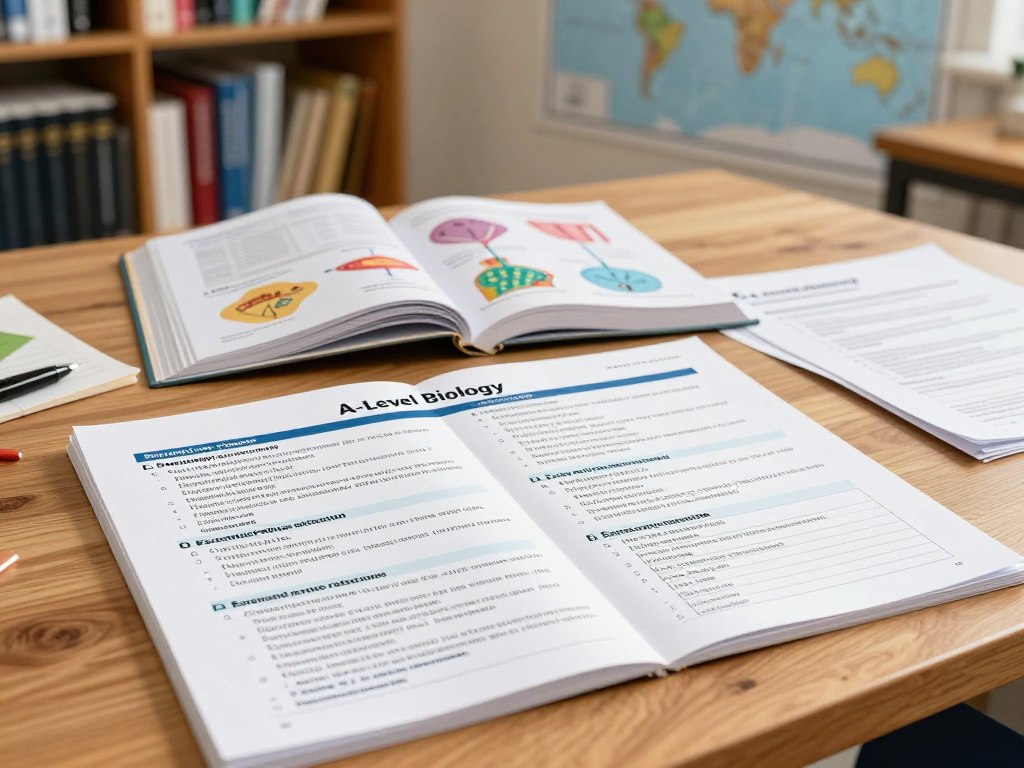
Knowing how A-Level Biology exams work is key to doing well. Students need to get to know the syllabus from their exam board. This syllabus shows what topics and skills are covered.
What A-Level Biology Exams Actually Test
A-Level Biology exams check more than just knowledge. They look at how well students can apply what they know. Students must show scientific understanding, analytical skills, and the ability to evaluate information.
The exams cover a wide range of topics. This includes molecular biology, genetics, ecology, and physiology. Knowing what’s covered and the types of questions is important for studying.
Breaking Down the Assessment Objectives
Assessment objectives in A-Level Biology exams test different skills and knowledge. They usually include:
- Demonstrating knowledge and understanding of scientific concepts and processes.
- Applying knowledge and understanding in practical and theoretical contexts.
- Analysing, interpreting, and evaluating scientific information to make judgments.
Knowing these objectives helps students focus their studying. It helps them develop the right skills.
| Assessment Objective | Description | Weightage |
|---|---|---|
| Knowledge and Understanding | Demonstrating knowledge of biological concepts. | 40% |
| Application of Knowledge | Applying biological knowledge in different contexts. | 30% |
| Analysis and Evaluation | Analysing and evaluating scientific data and information. | 30% |
Understanding Mark Schemes and Examiner Expectations
Mark schemes give clues on how examiners score answers. They show what’s needed for top marks. This includes clear and concise answers, accurate use of scientific terminology, and effective communication of ideas.
By knowing what examiners look for, students can improve their studying and exam technique. This can help them get better grades.
Creating an Effective Study Schedule for A-Level Biology

To do well in A-Level Biology, you need a solid study plan. A good schedule helps you manage your time, cover all the material, and practice well.
Mapping Out Your Revision Timeline
First, figure out how much time you have before the exam and what you need to study. Create a calendar with the exam date marked and work backward to plan out your study time for each topic.
- Identify the topics you need to cover.
- Decide how much time each topic will take based on its difficulty and your grasp of it.
- Make sure to leave some extra time for any surprises or topics that need extra focus.
Balancing Content Coverage with Practise
A good study plan should mix studying the content with practicing past papers or sample questions. It’s not just about reading your notes; it’s about using what you’ve learned.
| Study Activity | Time Allocation | Frequency |
|---|---|---|
| Content Review | 45 minutes | Daily |
| Past Paper Practice | 60 minutes | 3 times a week |
| Flashcard Review | 30 minutes | Daily |
Building in Regular Review Sessions
Regular review sessions are key to keeping information in your mind. Spaced repetition is a method where you review material at longer intervals to help it stick in your long-term memory.
By following these tips and making a study schedule that fits you, you can boost your A-Level study skills. This will help you use educational resources for biology better and improve your overall study habits.
Mastering Biological Diagrams: Drawing, Labelling, and Understanding
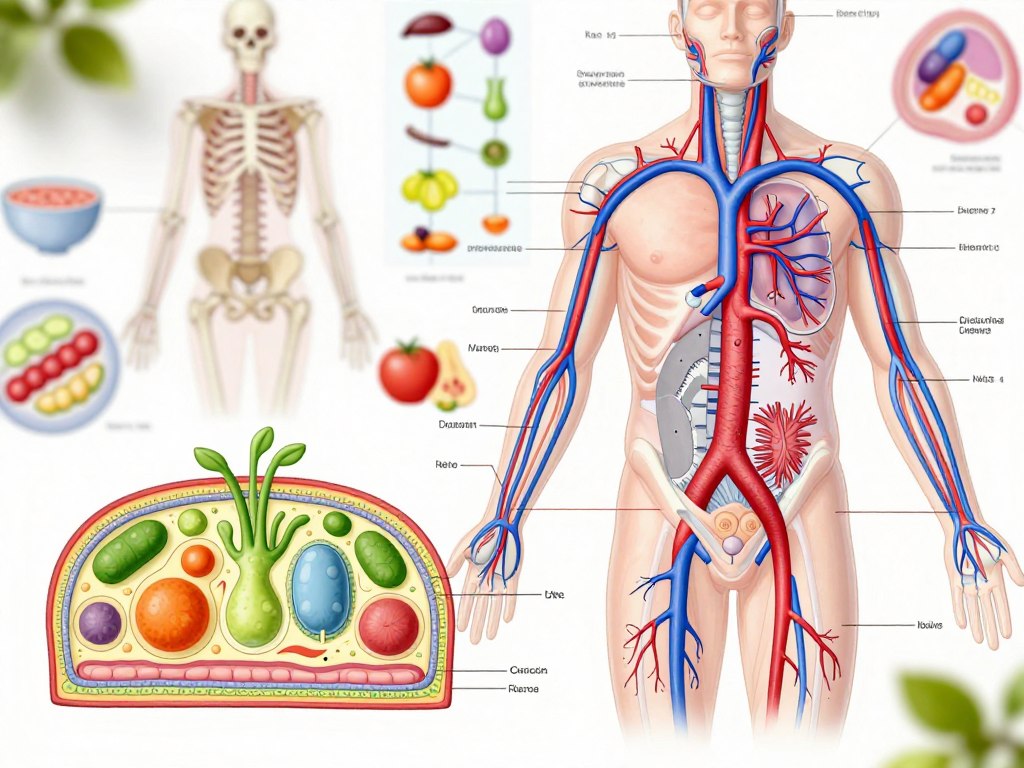
To do well in A-Level Biology, you need to be good at drawing, labelling, and understanding biological diagrams. These diagrams are key to seeing how complex things work. They help you remember and understand biology better.
Why Diagrams Are Essential for A-Level Biology Success
Diagrams are vital in A-Level Biology. They help you grasp and share complex biological ideas. They show how cells, organs, and systems work together. Plus, being able to draw and label diagrams well is important for exams.
Key benefits of mastering biological diagrams include:
- Improved understanding of complex biological structures and processes
- Enhanced ability to communicate biological information effectively
- Better retention of information through visual representation
- Development of practical skills that are tested in exams
Step 1: Identify Key Diagrams You Must Know
The first step is to find out which diagrams are often tested. These usually include cell structures and biological processes like photosynthesis and mitosis.
Start by looking at your syllabus and past papers. Make a list of the important diagrams. Learn what each part is and how to label it correctly.
Step 2: Practise Drawing Diagrams from Memory
After finding the key diagrams, practice drawing them from memory. This boosts your understanding and helps you remember them for exams. Draw the diagrams without looking at your notes, then check them against the correct versions.
Tips for effective practice:
- Start with simple diagrams and move to more complex ones
- Use a pencil for easy corrections
- Practice often to get better and more confident
Step 3: Use Colour Coding and Annotation Techniques
Colour coding and annotation can make diagrams clearer and more memorable. Using different colours for different parts makes diagrams easier to understand.
Annotations, like labels and notes, add context and clarify diagram parts. This is helpful for complex diagrams where understanding relationships is key.
Common Diagram Mistakes to Avoid in Exams
When drawing diagrams in exams, avoid common mistakes. These include:
- Inaccurate labelling or missing key components
- Poorly drawn diagrams that are hard to read
- Not using a ruler for straight lines or scales
To avoid these mistakes, practice drawing diagrams under timed conditions. This builds the skills and confidence needed for exams.
Learning and Retaining Definitions: Techniques That Actually Work

A-Level Biology needs you to know key definitions well. These definitions help you understand complex biological ideas. Being able to remember them is key to doing well in exams.
Step 1: Create a Comprehensive Definition List
Begin by making a list of all important terms and definitions from your A-Level Biology course. Organise this list by topic or unit to keep it easy to manage. Make sure to include all relevant terms to avoid missing out on important definitions that might be tested in the exam.
Step 2: Use Active Recall and Spaced Repetition
Active recall means actively trying to remember information instead of just reading it again. Use spaced repetition to review material at longer intervals. This helps solidify it in your long-term memory, which is great for remembering definitions.
- Regularly review your definition list, testing yourself on each term.
- Use flashcards to help with active recall (more on this in Step 4).
- Slowly increase the time between reviewing each definition.
Step 3: Apply Definitions in Context
It’s not just about memorising definitions; understanding how to use them is also key. Practice using your definitions in sentences or short paragraphs related to specific biological processes or concepts. This strengthens your understanding and boosts your ability to recall them in exams.
| Term | Definition | Contextual Example |
|---|---|---|
| Mitosis | The process of cell division that results in two genetically identical daughter cells. | In multicellular organisms, mitosis is vital for growth and repair. |
| Meiosis | The process of cell division that halves the chromosome number, producing gametes. | Meiosis is key in reproductive cells for genetic diversity. |
Making Flashcards Work for Biology Terminology
Flashcards are great for learning definitions. Write the term on one side and the definition on the other. Use them to test your knowledge often. Adding a contextual example or a simple diagram can help you understand and remember better.
By using these methods, you’ll get better at mastering the definitions needed for A-Level Biology. The secret is to keep practicing and reviewing regularly.
Strategic Use of Past Papers for Maximum Impact

To get the best A-Level Biology grade, using past papers wisely is key. Going through past papers is a top way to get ready for exams. It helps you know the exam style, question types, and what answers should include.
Step 1: When to Start Using Past Papers
Start using past papers when you’ve learned a lot of the syllabus. This lets you check your knowledge and see where you need to work harder.
Step 2: How to Analyse Past Paper Questions Effectively
Looking at past paper questions shows you what the exam is like. Look for patterns, like topics that come up a lot or certain words like “describe” or “explain.”
To get the most out of it, categorize questions by topic. This way, you can focus on the most important areas to study.
Step 3: Practising Under Timed Conditions
Doing past papers under time pressure is like the real exam. Set a timer and do a paper or part of it quickly. This helps you learn to manage your time and feel more confident.
Step 4: Learning from Mark Schemes and Examiner Reports
Mark schemes and examiner reports are gold. They tell you what examiners want to see in your answers. Look at the mark schemes to learn how to get more marks.
Examiner reports point out common mistakes and tricky spots. Use this info to improve your study plan and avoid mistakes.
Tracking Your Progress Through Past Paper Performance
Tracking how you do on past papers shows how you’re doing. Keep a record of your scores and see where you’re getting better or struggling.
By following these steps and using past papers in your a level biology study resources, you can improve your A-Level Biology learning and get better grades.
A Level Biology Study Tip: Connecting Topics and Building Understanding
A-Level Biology is more than just learning facts. It’s about linking different topics to understand biological processes better. Students can use several study techniques to do this.
Creating Concept Maps to Link Related Topics
Concept maps are a great way to connect topics. They help students organise and link biological concepts visually. Start by picking key topics like cellular respiration, genetics, and ecology.
Then, show how these topics are connected. Use arrows and keywords to illustrate these relationships. For example, cellular respiration links to photosynthesis and energy transfer.
Understanding Instead of Memorising
It’s important to understand biological processes, not just memorise them. Dive into the ‘why’ behind biological phenomena. For example, mitosis isn’t just about stages; it’s about growth and development.
Active engagement with the material helps deepen understanding. Discuss topics, explain processes, or apply concepts to real life.
Using Real-World Examples to Cement Knowledge
Real-world examples make abstract concepts more relatable. By linking biological processes to everyday life, students retain information better. For example, studying malaria or COVID-19 makes parasitology or immunology more interesting.
Online A Level Biology classes offer extra support. They provide interactive lessons, feedback, and a community of students. This can improve your learning experience.
Active Learning Techniques for Biology Revision
To ace your A-Level Biology, use active learning methods. These methods help you understand and remember better. It’s not just about reading notes; it’s about actively engaging with the material.
The Feynman Technique for Complex Biological Concepts
The Feynman Technique is great for grasping tough biology topics. It means explaining a concept in simple terms, as if teaching someone new. This method reveals any knowledge gaps and deepens your understanding.
Begin by picking a topic you want to grasp. Explain it in simple terms, using examples and analogies. Review your explanation to spot areas needing more practice.
Teaching Others to Test Your Understanding
Teaching others is a top way to check your grasp of biology. Explaining a concept to someone else clarifies your thoughts and spots weak areas.
Teach by starting a study group or explaining to a friend or family member. You can also make video tutorials or study guides to aid others.
Creating Summary Notes and Revision Resources
Creating summary notes and resources is a smart way to review and solidify your knowledge. Summary notes highlight key points and serve as a quick reference for quick revision.
Focus on key terms and concepts when making summary notes. Use headings, subheadings, and bullet points for clarity. Adding colors and diagrams can also help highlight important info.
Using Online Resources and Video Content Effectively
Online resources and videos can greatly enhance your revision. There’s a wealth of material out there, from video lectures to interactive simulations.
Start by finding the most relevant resources for your needs. Use video lectures and tutorials to supplement classroom learning. Interactive simulations can help dive deeper into complex topics.
By using these active learning techniques, your study sessions will be more engaging and productive. Stay focused, motivated, and engaged to succeed in your revision.
Common Study Mistakes and How to Avoid Them
To do well in A-Level Biology, it’s key to spot and fix common study mistakes. Knowing these pitfalls helps you study smarter and do better.
Passive Reading Without Active Engagement
Many students just read notes or textbooks without really getting it. This can make learning biology hard.
To avoid this, use active learning methods. Try writing down key points in your own words. Or make concept maps to see how topics connect. Talking about tough ideas with friends can also help.
Leaving Practise Questions Until Too Late
Another mistake is waiting too long to do practice questions. These questions are great for checking your understanding and spotting weak spots.
Start doing practice questions early. Begin with questions on specific topics. Then move to past papers under timed conditions to get used to the exam feel.
Neglecting Specific Areas of the Specification
It’s easy to skip over certain topics if you’re unsure about them. But ignoring these areas can leave big gaps in your knowledge.
Make a list of all the topics in the specification. Check them off as you go. This way, you won’t miss anything and can see where you need to focus more.
Poor Time Management During Revision
Good time management is key when revising. Bad time management can lead to cramming, stress, and lower grades.
Plan out your revision schedule carefully. Make sure to include breaks to stay focused and avoid burnout.
| Common Mistake | How to Avoid It |
|---|---|
| Passive Reading | Use active learning techniques like summarising and concept mapping |
| Leaving Practise Questions Until Too Late | Start practising early with topic-specific and past paper questions |
| Neglecting Specific Areas of the Specification | Create a topic checklist to ensure coverage of all areas |
| Poor Time Management | Develop and stick to a revision timetable with regular breaks |
By following these tips and staying disciplined, you can really improve your A-Level Biology grades. And you’ll be on your way to academic success.
Conclusion
Mastering A-Level Biology is about understanding complex ideas, remembering key terms, and using your knowledge well in exams. A good study plan, effective revision methods, and a helpful tip can really boost your success.
Having a clear study schedule and using past papers and active learning are key. Regular practice with biological diagrams, definitions, and concepts helps build a strong foundation.
If you need extra help, think about joining an A Level Biology online class at Cambridge Home School (CHS). They offer personalized support to help you improve your revision skills.
By using these strategies and getting help when you need it, you’ll feel more confident in your A-Level Biology exams. You’ll be ready to show off your knowledge and skills.
FAQ
What are the most effective study techniques for A-Level Biology?
Effective study techniques for A-Level Biology include making a study plan. You should also master biological diagrams and use active recall and spaced repetition for definitions. Practising with past papers under timed conditions is also key.
How can I create an effective study schedule for A-Level Biology?
To create a good study schedule, first map out a revision timeline. Then, balance content coverage with practice. Make sure to include regular review sessions for a thorough understanding of the material.
What is the importance of mastering biological diagrams in A-Level Biology?
Mastering biological diagrams is vital. They are a major part of A-Level Biology exams. Being able to draw, label, and understand them can greatly improve your grades.
How can I effectively use past papers for A-Level Biology revision?
To use past papers well, start early and analyse the questions. Practice under timed conditions. Also, learn from mark schemes and examiner reports to track your progress.
What are some common study mistakes to avoid when studying for A-Level Biology?
Common mistakes include passive reading and leaving practice questions too late. Also, neglecting specific areas of the specification and poor time management during revision are mistakes to avoid.
How can I connect topics and build understanding in A-Level Biology?
To connect topics and build understanding, create concept maps. Focus on understanding processes, not just memorising them. Use real-world examples to solidify your knowledge.
What are some active learning techniques for biology revision?
Active learning techniques include the Feynman Technique and teaching others to test your understanding. Creating summary notes and using online resources and video content effectively are also helpful.
How can I improve my retention of definitions in A-Level Biology?
To improve retention of definitions, create a detailed definition list. Use active recall and spaced repetition. Apply definitions in context and make flashcards for biology terminology.
Are online classes beneficial for A-Level Biology revision?
Online classes can be beneficial for A-Level Biology revision. They offer additional support, help clarify complex concepts, and provide a structured learning environment.