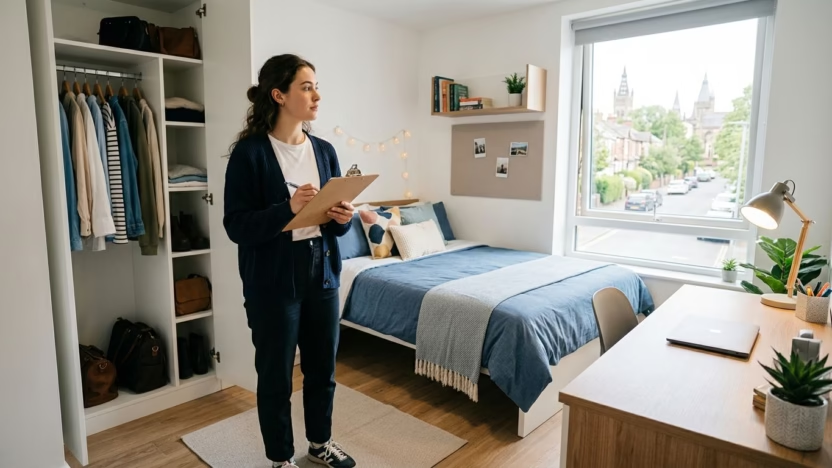
An attractive room can hide a hard commute, costly bills, or a bathroom nobody has cleaned for weeks. A careful accommodation viewing checklist stops you choosing a home based on fresh paint, polished photos, and pressure to sign.
For many first-years, this is the first contract and shared home they will manage themselves. You need somewhere that supports sleep and study, feels safe after dark, and fits your money across the full academic year.
Take your time during every tour, record what you see, then compare options after the excitement fades.
Key Takeaways
- View the exact room you may rent where possible, not only a show flat or edited online tour.
- Check bedrooms, kitchens, bathrooms, building access, and the route to campus before making a decision.
- Compare the total cost, including bills, deposits, contract length, and travel, rather than weekly rent alone.
- Ask for repair procedures, safety documents, and a written breakdown of every payment before you sign.
- Keep photos and notes from each viewing, because details blur after several visits.
Prepare Before You View
A viewing goes quickly, especially when several students arrive together. Make a note on your phone for each property, with the address, room type, rent, contract dates, and anything you want to check.
View the Exact Room Where Possible
Ask whether the room shown is the room you would receive. In larger halls, bedrooms can differ in outlook, storage, layout, noise, and distance from the kitchen.
Daylight viewings reveal more than evening tours. You can see whether the room faces a busy road, whether neighbouring windows look straight in, and how much natural light reaches the desk. If you can only visit after dark, return during the day before committing.
Take Notes You Can Compare
Bring your phone, a charger, headphones, a tape measure if desk space matters, and a list of questions. Ask before taking photographs, as some halls and landlords have rules about images inside the building.
Record faults with photos and write down promises such as “the broken blind will be replaced”. A verbal reassurance is easy to forget. Keep the same notes for every property so your comparison is fair.
Use This Accommodation Viewing Checklist in Every Room
Start with the place where you will spend the most time. A tidy bedroom can still be impractical if you cannot work comfortably, sleep well, or store everyday things.
Inspect the Bedroom You Will Actually Get
Open and close the window. Check for draughts, mould around frames, peeling paint, damp patches, and a stale smell. Look at the radiator, curtains or blinds, plug sockets, locks, ceiling light, wardrobe, desk, chair, and under-bed storage.
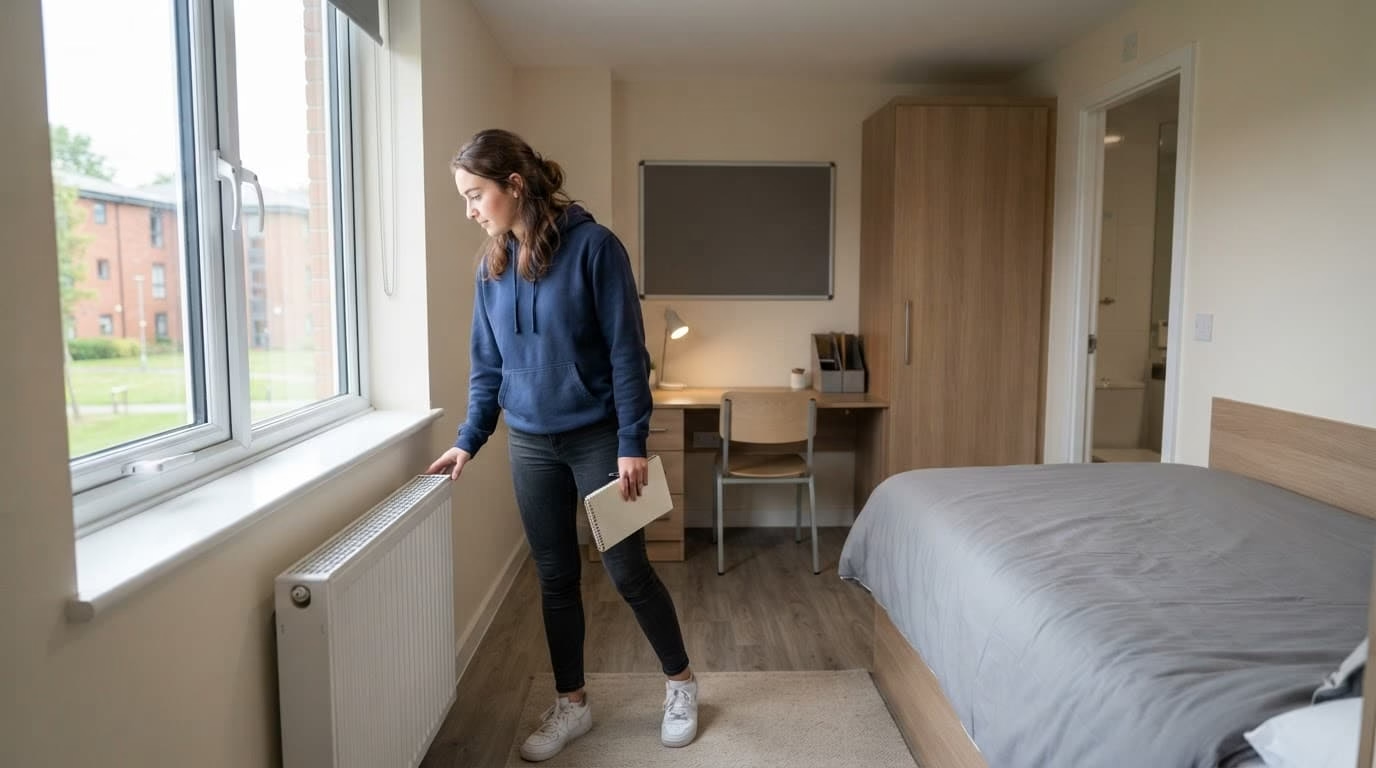
Sit at the desk if you can. Check whether there is enough room for a laptop, books, and a lamp. Also consider where you would dry clothes, keep a suitcase, and place a laundry basket.
Use this accommodation viewing checklist for the room itself:
- Check that the door lock works and that you can lock it from inside.
- Look for marks, chips, stains, or damage that should appear on the inventory.
- Listen for traffic, nightlife, lifts, communal doors, and noise from neighbouring rooms.
- Check mobile signal and ask how reliable the building’s Wi-Fi is.
- Measure the desk or room if you need specialist equipment or an accessible layout.
- Ask whether the mattress, chair, and furniture can be replaced if damaged or unsuitable.
Spot Problems Before They Become Yours
A damp patch behind a wardrobe or a cracked window may become your problem if it is not recorded at the start. Ask who reports repairs, how quickly staff respond, and whether there is an emergency contact outside office hours.
For shared houses in England, ask whether the property is an HMO and, where relevant, whether it has the required licence. A single adult’s bedroom in a licensed HMO must normally be at least 6.51 square metres, but a legal minimum does not automatically make a room comfortable.
Check Shared Spaces and Safety
The communal areas shape your day more than a glossy bedroom photo suggests. Visit the kitchen and bathroom properly rather than glancing through the doorway.
The Kitchen Shows How the Home Works
Count the fridge shelves, freezer drawers, cupboards, hobs, and bathroom facilities against the number of residents. A kitchen shared by six people needs enough food storage and worktop space to avoid daily frustration.
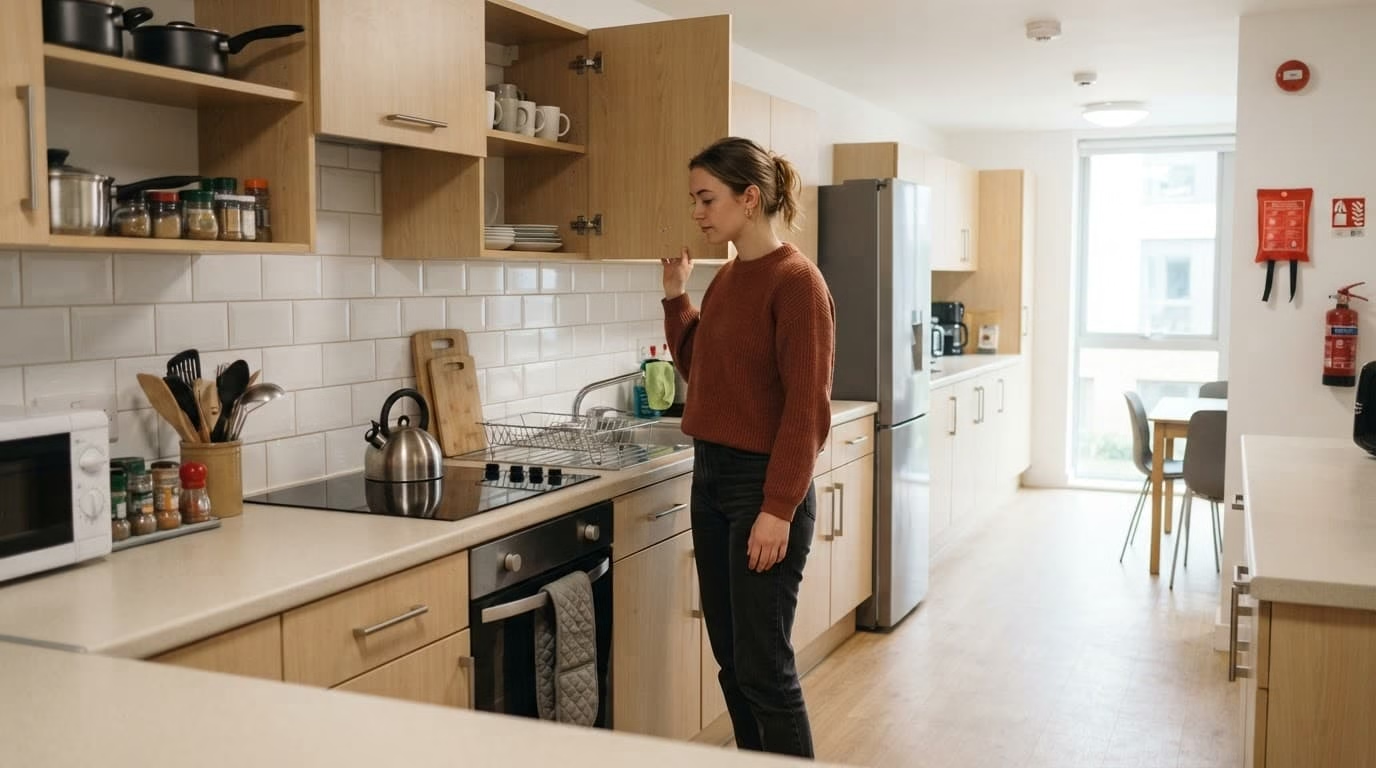
Check whether appliances look clean and maintained. Ask who empties communal bins, how cleaning works, whether there is a laundry room, and if guests can use shared spaces. If current residents are around, their tone and the condition of the kitchen often tell you more than a brochure.
A spotless bedroom cannot make up for a shared kitchen with no storage, unreliable appliances, or no clear way to report repairs.
Ask Direct Safety Questions
Look for smoke alarms on every floor and ask about fire doors, evacuation procedures, lighting around entrances, and secure access. If the home has gas appliances, ask to see the current gas safety record. You should also ask where carbon monoxide alarms are fitted.
For university halls, Citizens Advice’s standards for student halls cover repairs, fire safety, gas and electrical safety, security, complaints, and tenancy management. Raise concerns before accepting an offer, not after move-in day.
Judge the Building and Its Location
A room can be affordable but still cost you time and energy every day. Walk the route to campus, the nearest supermarket, bus stop, and train station instead of trusting a map estimate.
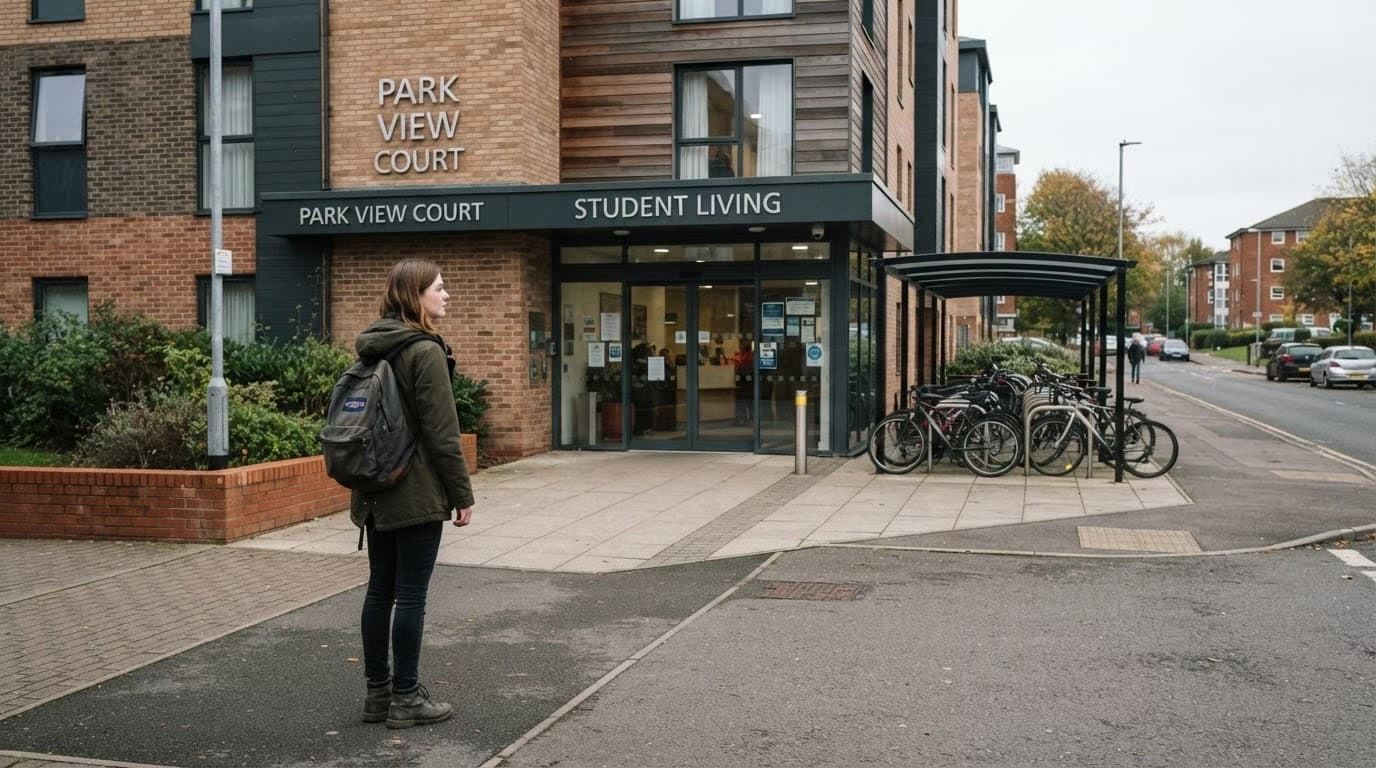
Check the route after dark if possible. Notice street lighting, busy crossings, bicycle storage, building entry, parcel collection, and whether you would feel comfortable returning after an evening in the library.
Also consider your own needs. A lift, step-free entrance, quieter floor, accessible bathroom, nearby parking, or reliable public transport may matter far more than a fashionable common room.

Photo by Pathless Pilgrim
Work Out the Full Cost Before Signing
Weekly rent is only one line in the budget. Ask what is included and get the answer in writing. Bills may cover heating, electricity, water, Wi-Fi, contents insurance, or none of them. Some providers also apply usage limits to included utilities.
Compare Weekly Headlines With Contract Reality
Multiply the weekly rent by the full contract length, then add deposits, travel, laundry, and any excluded bills. A slightly higher rent with bills included can be cheaper than a lower headline price with unpredictable energy costs.
Put each option beside a realistic student budget before university. Your Maintenance Loan is not monthly wages. If you receive Student Finance England support, payments usually arrive in termly instalments, so check your Student Finance England payment schedule and ring-fence rent and bills first.
In England, Shelter states that most private student tenancies have a maximum tenancy deposit of five weeks’ rent, while a holding deposit is usually capped at one week’s rent. Its student housing guidance also explains limits on rent in advance and banned fees. Rules differ across the UK, and halls may use a licence agreement rather than a tenancy.
Read the Agreement and Deposit Terms
Check the contract start and end dates, payment schedule, notice rules, and what happens if you leave university or need to move out early. Ask if you are signing an individual contract or sharing liability with housemates.
If a guarantor is required, they should read the agreement too. Some guarantees cover far more than one missed payment. Before paying a deposit, ask how it will be protected and when you will receive the required information. Citizens Advice housing support can help if terms or charges seem unclear.
Choose With Evidence, Not Pressure
A letting agent may say several people want the room. That can be true, but you still need enough information to make a sound choice. Request missing documents by email and keep copies of every reply.
Keep a Simple Score
After each viewing, score the room, kitchen, safety, location, and total cost out of five. Add one final note: “Would I feel comfortable here during exam season?” That question brings the decision back to your daily life.
Before paying anything, verify the provider’s identity, the property address, and the bank details. House Hunt London’s student accommodation advice lists useful checks, including asking for a current gas safety certificate. Never rely on a screenshot of a contract or a rushed message alone.
Final Thoughts
The best accommodation choice is rarely the flashiest room. It is the one that gives you enough space, safety, predictable costs, and a workable routine.
Use your accommodation viewing checklist at every visit, then decide with notes and numbers rather than first impressions. That preparation can make your first term feel far more settled.
Frequently Asked Questions About University Accommodation Viewings
Should I View Halls Before Accepting a Place?
Yes, if you can. Visit the exact room or a close equivalent, inspect the shared areas, and walk the campus route. If travel makes an in-person viewing impossible, ask for a live video tour and request clear photos of the bedroom, bathroom, kitchen, storage, and building entrance.
Can I Pay a Holding Deposit Straight Away?
Only pay after checking who you are dealing with, what the payment reserves, and whether it will be refunded or deducted from rent. In England, a holding deposit is usually limited to one week’s rent. Get written confirmation before you transfer money.
What Should I Photograph During a Viewing?
Photograph existing damage, stains, chipped furniture, mould, meter readings, and any missing items. Date the images and compare them with the inventory when you move in. This creates evidence if someone later claims you caused damage.
What If I Find Damp or Broken Furniture?
Point it out during the viewing and ask for a written repair plan. If the landlord or accommodation team dismisses a clear problem, treat that response as useful information. You will need the same team when a heating fault or leak happens during term.