
 Paul Scott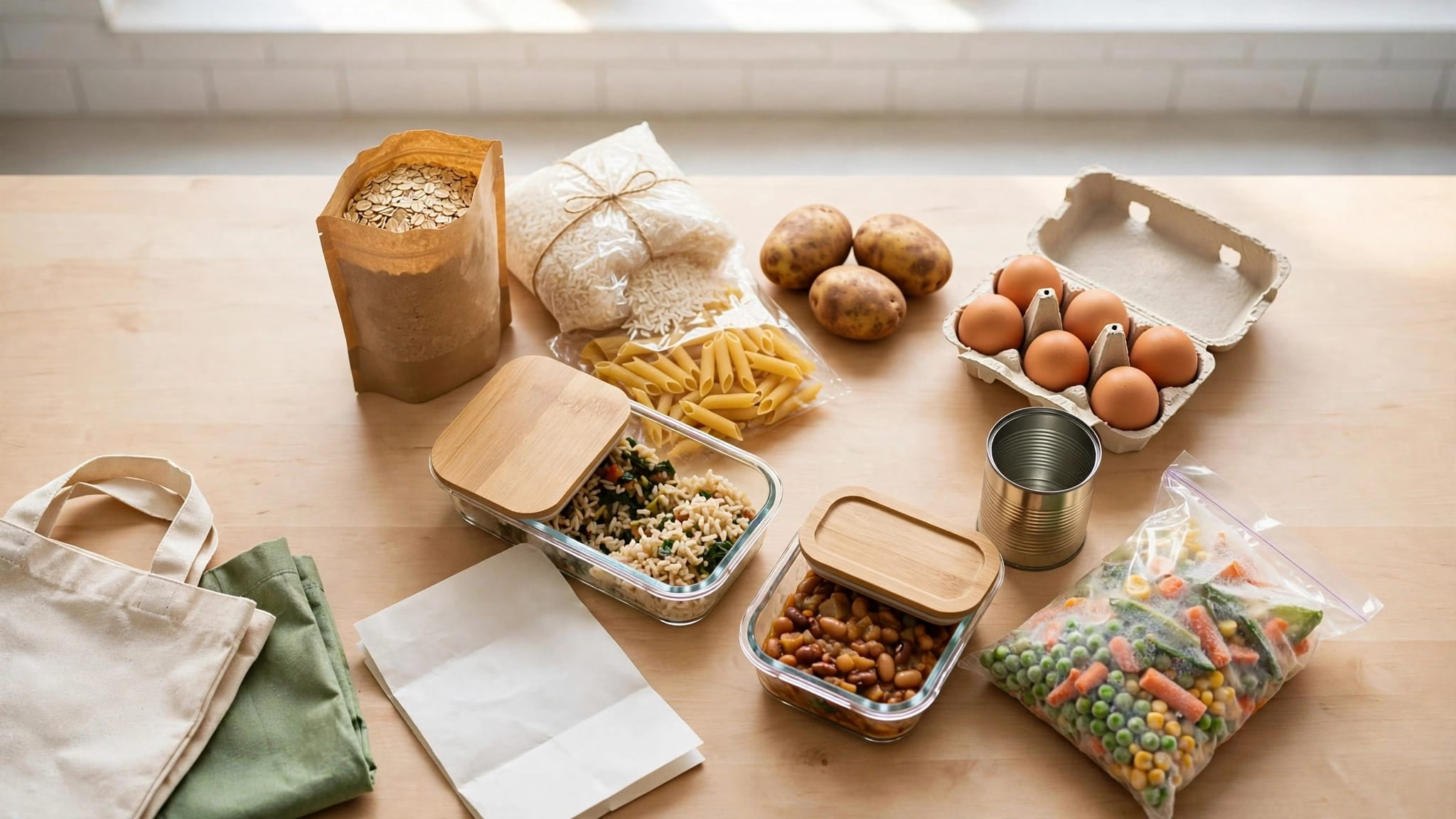
A tight food budget can make every supermarket visit feel like a test of willpower. However, you can cut grocery costs without relying on instant noodles, cereal for dinner, or skipping meals.
The biggest savings usually come from fewer wasted ingredients and fewer last-minute buys. With a modest plan and a few reliable meals, your shop can stay affordable, filling, and enjoyable.
Key Takeaways
- Give yourself a weekly food allowance, then separate groceries from takeaways and coffee.
- Plan a few flexible meals around ingredients you already own before writing a list.
- Build meals around low-cost staples such as oats, rice, pasta, potatoes, beans, eggs, frozen vegetables, and tinned tomatoes.
- Compare the unit price, not only the shelf price, and choose own-brand basics where the quality is similar.
- Cook enough for leftovers, then freeze portions before you get bored of them.
- Keep a small emergency meal supply for busy deadlines, so you don’t default to delivery apps.
Set a Food Budget You Can Actually Keep
A grocery budget only works when it matches your timetable, kitchen space, and social life. Setting an unrealistically low figure often leads to overspending halfway through the week.
Start by looking at your last two or three weeks of spending. Include supermarket trips, meal deals, coffees, delivery apps, and late-night snacks. Then pick a grocery amount you can maintain, even during assignment season.
For context, a UK first-year student budget puts typical monthly grocery spending at roughly £144 to £200 before takeaways and meals out. Your cost will vary by city, diet, and accommodation, but a real number is more useful than a strict online challenge.
Separate Food Shopping From Eating Out
A £35 weekly shop can look successful until three campus lunches and a Friday takeaway appear on your bank statement. Keep groceries and eating out as separate categories.
If you have £60 for food each week, for example, you might allocate £42 to groceries and £18 to coffees, lunch out, or a shared meal. This gives you room to enjoy yourself without taking money from your next shop.
Treat your food budget as a weekly limit, not a target you have to spend in full. Any amount left can cover a pricier week later in term.

Photo by Dany Kurniawan
Plan Meals Around What You Already Have
Before shopping, check the fridge, freezer, cupboards, and the back of your shelves. That half-used bag of rice, tin of chickpeas, and frozen peas might already cover several meals.
Plan five or six dinners, rather than every meal for seven days. Leave space for leftovers, a society event, or a night when your flatmate suggests cooking together. A rigid meal plan can create waste when life shifts.
Choose ingredients that overlap. A bag of peppers can go into fajitas, pasta sauce, omelettes, and packed lunches. One roast chicken can become sandwiches, wraps, or fried rice the following day.

Use a Short List With a Purpose
Write your list by meal, then combine duplicates. If two meals need onions, buy one bag. If only one recipe calls for fresh coriander, decide whether you’ll genuinely use the rest.
A useful list has three parts:
- The meals you plan to cook, including lunch leftovers.
- The ingredients you need to use up first.
- A short list of staples that have run out.
The BBC’s student guide to saving money on food{rel=”nofollow noopener” target=”_blank”} also recommends planning ahead and using what is already in your kitchen. That habit can save more than chasing a voucher.
Build Meals Around Affordable Staples
Cheap food doesn’t have to be bland. Start with filling basics, then add flavour, vegetables, and protein. You will spend less when each ingredient works across several meals.
Choose Filling Bases First
Potatoes, pasta, rice, oats, couscous, noodles, wraps, and bread make meals satisfying without costing much per portion. Own-brand versions are often good value.
For protein, try eggs, lentils, chickpeas, beans, peanut butter, yoghurt, tinned fish, tofu, and reduced-price meat. Dried lentils cook quickly in soup, curry, and Bolognese-style sauces. Tinned beans work when you need dinner in 10 minutes.
A basic meal can still feel complete:
| Base | Protein | Vegetables | Easy Meal |
|---|---|---|---|
| Rice | Eggs | Frozen peas and sweetcorn | Egg fried rice |
| Pasta | Lentils | Carrot, onion, tinned tomatoes | Lentil pasta sauce |
| Jacket potato | Beans and cheese | Side salad or frozen broccoli | Loaded potato |
| Wrap | Chickpeas | Pepper and onion | Spiced chickpea wrap |
The pattern matters more than following exact recipes. Use what is reduced, in season, or already waiting in your freezer.
Keep Flavour on Hand
A few low-cost flavour builders stop budget meals becoming repetitive. Stock salt, pepper, stock cubes, garlic, curry powder, dried herbs, soy sauce, chilli flakes, and a jar of peanut butter.
You don’t need every spice at once. Add one or two each week, then use them repeatedly. Tomato and lentil sauce can become pasta topping, chilli, soup, or filling for a baked potato.
For more meal ideas, keep a small rotation of easy budget recipes for students. Familiar recipes reduce the temptation to order food when you are tired.
Shop Smarter to Cut Grocery Costs
Supermarkets make it easy to spend more than planned. Multi-buy offers, end-cap displays, and convenient snacks can quietly stretch a basket. A list gives you a useful boundary, but you still need to compare like with like.
Check the Unit Price
The larger packet is not always cheaper. Look at the price per 100g, kilogram, or litre on the shelf label. This is especially useful for cereal, cheese, yoghurt, rice, washing-up liquid, and frozen food.
Buy in bulk only when all three conditions apply: you have storage space, you will use it before it goes off, and the unit price is lower. A huge bag of spinach that wilts untouched isn’t a saving.

Use Own Brands and Frozen Food
Own-brand oats, chopped tomatoes, pasta, cereal, yoghurt, beans, and frozen veg are often excellent starting points. Test one swap at a time if you have a favourite branded item.
Frozen vegetables deserve more credit than they get. They are usually cheaper per portion, last for weeks, and let you use only what you need. Keep peas, mixed vegetables, spinach, or chopped onions in the freezer for fast meals.
Bournemouth University shares practical food budget advice for students{rel=”nofollow noopener” target=”_blank”}, including planning purchases and avoiding unnecessary extras. Small choices at each shop add up across a term.
Cook Once and Protect Your Time
Cooking from scratch every evening isn’t realistic during a packed week. The answer is not takeaway food, it is making future meals easier.
Batch-Cook One Useful Component
Make one large pot of chilli, curry, soup, pasta sauce, or roasted vegetables. Eat one portion, refrigerate another for lunch, and freeze the rest in labelled containers.
You can also batch-cook components rather than complete meals. Cook rice for two days, roast a tray of vegetables, or boil several eggs for lunches. This leaves you with quick building blocks instead of identical dinners all week.
If your freezer is shared, use flat freezer bags or stackable containers. Label each with the meal and date, because mystery tubs are rarely appealing after a month.
Create an Emergency Meal Shelf
Keep food for two or three quick meals that need little preparation. Good options include:
- Tinned soup with bread and cheese.
- Beans on toast with a fried egg.
- Pasta with pesto, frozen peas, and grated cheese.
- Couscous with chickpeas, stock, and frozen vegetables.
These meals are your backup when the library closes late or you have an early lecture. They cost less than delivery and take less time than waiting for it.
Waste Less Without Eating the Same Dinner
Food waste is often a planning problem, not a lack of discipline. Fresh produce can spoil quickly in a busy shared flat, particularly when everyone buys similar items independently.
Store herbs in a glass with a little water. Freeze sliced bread, grated cheese, and bananas before they deteriorate. Use soft vegetables in soup, curry, omelettes, or pasta sauce instead of throwing them out.
Choose loose fruit and vegetables when you only need a few items. Pre-packed bags can look cheap, but they are poor value if half ends up in the bin.
A simple leftovers night also helps. Combine remaining vegetables into a frittata, use cooked meat in wraps, or turn spare rice into fried rice. Your final meal of the week doesn’t need to look planned to taste good.
Make Shared-Food Arrangements Clear
Sharing cooking with flatmates can lower costs, but unclear agreements can cause resentment. Start small by agreeing to cook one shared dinner each week or buy one joint item, such as oil, rice, or washing-up liquid.
Don’t assume communal means free. Ask before using someone else’s food, even if it has been in the cupboard for weeks. A labelled shelf or basket prevents confusion in a crowded kitchen.
When several people want to cook together, choose a meal with easy portions. A large curry, pasta bake, tray of fajitas, or vegetable chilli divides well and costs less per person than separate meals.
You can still cut grocery costs when you live alone. Buy versatile ingredients, freeze portions promptly, and choose recipes that use a whole packet over several meals.
A Healthy Shop Still Needs Flexibility
Budgeting should make food less stressful, not turn every meal into a calculation. Buy food you enjoy and plan one low-cost treat, whether that is good coffee, dark chocolate, fancy crisps, or a favourite yoghurt.
Meals also support concentration and energy. Skipping lunch may seem thrifty, yet it can lead to expensive snacks later. The University of West London offers helpful healthy eating on a student budget{rel=”nofollow noopener” target=”_blank”} ideas that keep affordability and nutrition together.
If money is too tight for regular meals, speak to your university’s student support or wellbeing team. You may be able to access hardship funding, food support, or local advice. The guide to UK university hardship funds explains what support may be available when essential costs become unmanageable.
Conclusion
You don’t need a perfect meal plan to spend less on food. A realistic weekly allowance, a short list, versatile staples, and a freezer habit will cut grocery costs while keeping your meals satisfying.
Start with one change this week, such as planning four dinners or replacing one branded staple. Small routines protect both your money and your energy when university gets busy.
Frequently Asked Questions About Cutting Grocery Costs
What Is a Realistic Weekly Grocery Budget for a Student?
It depends on location, diet, and whether you share food with others. Start with your own recent spending, then set a weekly figure that covers filling meals and basic snacks. Track it for a month and adjust it if needed.
Can I Eat Healthily on a Tight Student Budget?
Yes. Base meals on oats, potatoes, rice, pasta, lentils, beans, eggs, frozen vegetables, and seasonal produce. Fresh berries, premium ready meals, and individual snack packs cost more, so buy them less often rather than banning them completely.
Is Aldi or Lidl Always Cheaper Than Other Supermarkets?
They can be cheaper for many staples, but no shop wins on every item. Compare unit prices for the foods you buy most, and include travel costs. A cheaper supermarket across town may not save money if you need a bus fare.
How Can I Stop Buying Takeaways During Deadlines?
Keep two fast meals at home and cook a batch before your busiest study days. If you still want a takeaway, include it in your weekly food allowance rather than treating it as an unexpected expense.